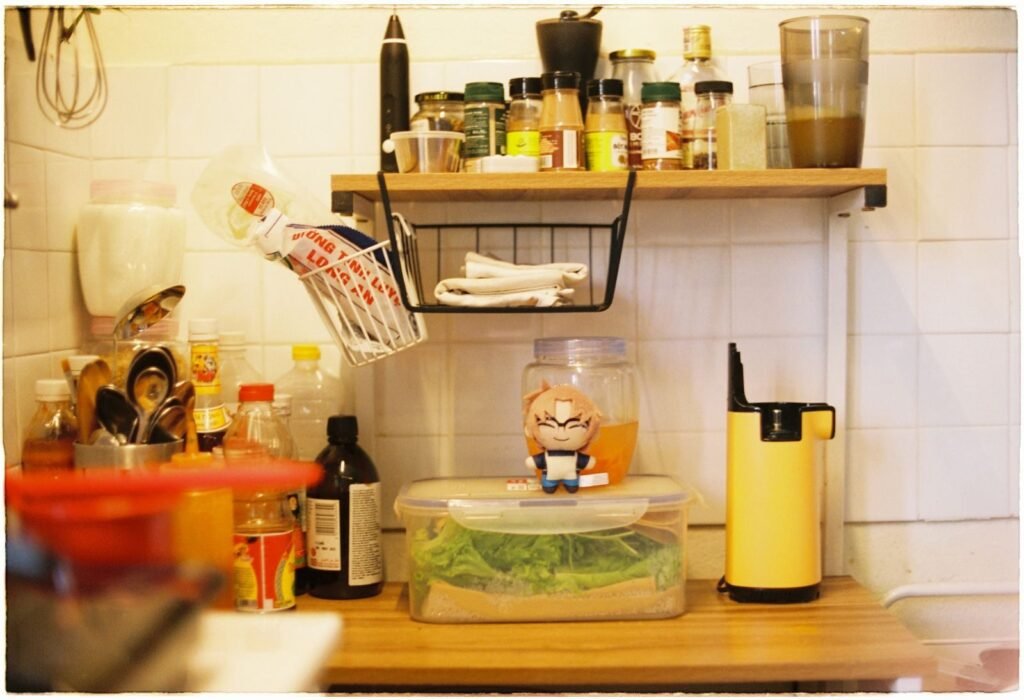
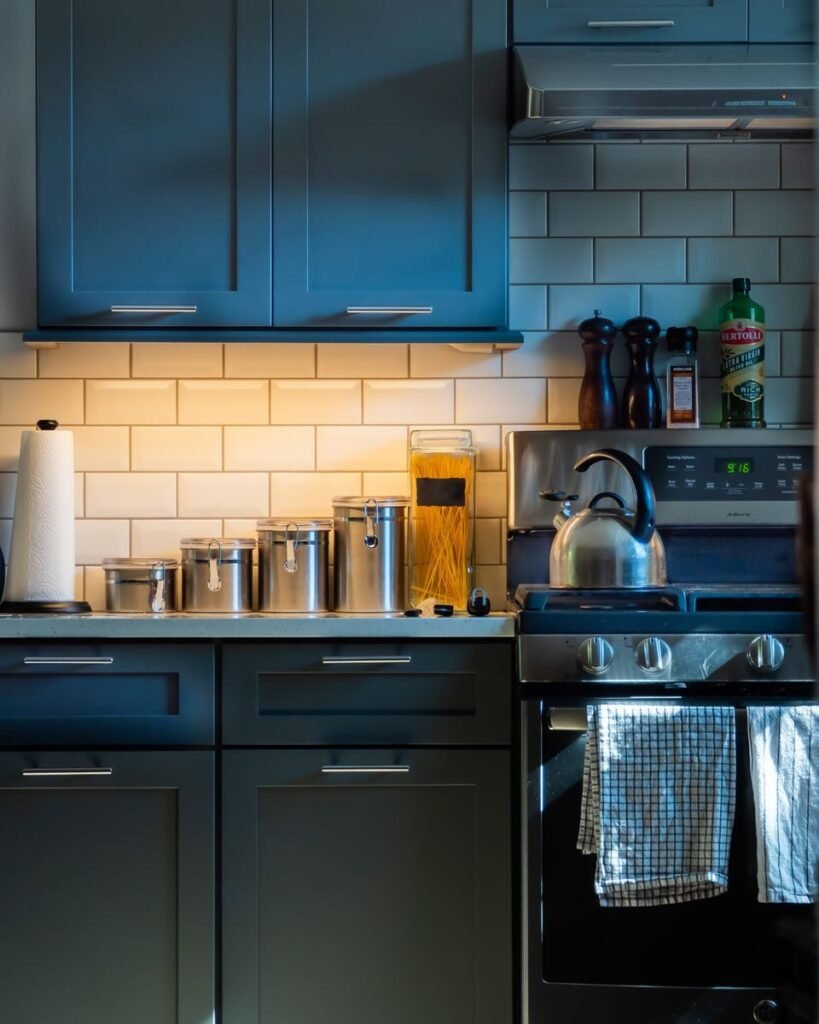
How to Organize a Small Kitchen Without Cabinets
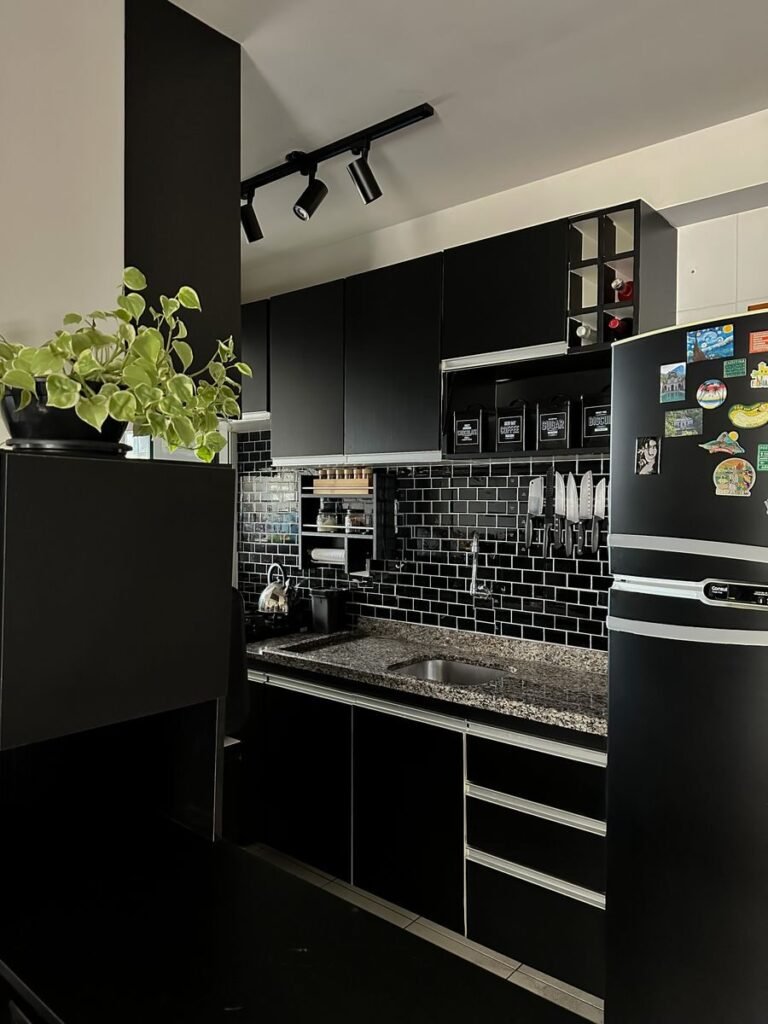
Quick Answer
Short answer: A kitchen without enough cabinets still works well when every item has a visible, reachable home, and rarely used items are moved out of the daily cooking zone. Start with the smallest change that solves the daily frustration, measure before you buy anything, and keep the result simple enough to maintain on a busy week.
This guide walks through planning, a step-by-step method, common mistakes, and answers to common questions, so you can finish the job without a large budget or a full renovation.
| Cost range | Time | Difficulty | Best for |
|---|---|---|---|
| Often low; most ideas use items you already own plus a few small purchases | Usually a few hours, spread over a weekend if needed | Beginner to intermediate | Small homes, apartments, and rented homes |
Before You Start
A kitchen without enough cabinets still works well when every item has a visible, reachable home, and rarely used items are moved out of the daily cooking zone. Before you begin, take a few minutes to measure the space, note where light falls, and list what you already own that could be reused. This short planning step prevents the most common problem with home projects: buying storage, paint, or plants that do not fit the room or the routine.
When you plan how to organize a small kitchen without cabinets, keep the budget in ranges rather than expecting one exact price. Room size, materials you already own, and local prices all change the total, so it helps to set a low, realistic range first and only add extras after the basics are working well.
Useful items for this guide often include:
- measuring tape
- stackable bins or baskets
- labels
- a small step stool
- cleaning cloths
A useful test for how to organize a small kitchen without cabinets is to live with the change for a week before buying more. If a shelf, layout, or routine still works after seven normal days, it is likely to last. If it only worked on the day you set it up, it probably needs a simpler version.
Step-by-Step Method
Work through these steps in order for how to organize a small kitchen without cabinets. Each step builds on the one before it, so do not skip measuring or testing, even if the job looks simple at first.
Step 1: Measure and map the space
For how to organize a small kitchen without cabinets, measure and map the space means checking the real room, not an ideal version of it. Measure, look at how you move through the space, and write down the one constraint that matters most, such as a door swing, a low ceiling, a rented wall, or a small budget. This note will guide every choice that follows and help you avoid buying the wrong size or the wrong type of product. Put the most used items where you can reach them without stretching or moving three other things first, and leave a little empty space so the area can breathe and stay tidy.
Step 2: Sort by how often you cook
For how to organize a small kitchen without cabinets, sort by how often you cook means checking the real room, not an ideal version of it. Measure, look at how you move through the space, and write down the one constraint that matters most, such as a door swing, a low ceiling, a rented wall, or a small budget. This note will guide every choice that follows and help you avoid buying the wrong size or the wrong type of product. Put the most used items where you can reach them without stretching or moving three other things first, and leave a little empty space so the area can breathe and stay tidy.
Step 3: Zone by task
For how to organize a small kitchen without cabinets, zone by task means checking the real room, not an ideal version of it. Measure, look at how you move through the space, and write down the one constraint that matters most, such as a door swing, a low ceiling, a rented wall, or a small budget. This note will guide every choice that follows and help you avoid buying the wrong size or the wrong type of product. Put the most used items where you can reach them without stretching or moving three other things first, and leave a little empty space so the area can breathe and stay tidy.
Step 4: Choose storage that fits
For how to organize a small kitchen without cabinets, choose storage that fits means checking the real room, not an ideal version of it. Measure, look at how you move through the space, and write down the one constraint that matters most, such as a door swing, a low ceiling, a rented wall, or a small budget. This note will guide every choice that follows and help you avoid buying the wrong size or the wrong type of product. Put the most used items where you can reach them without stretching or moving three other things first, and leave a little empty space so the area can breathe and stay tidy.
Step 5: Test and adjust for a week
For how to organize a small kitchen without cabinets, test and adjust for a week means checking the real room, not an ideal version of it. Measure, look at how you move through the space, and write down the one constraint that matters most, such as a door swing, a low ceiling, a rented wall, or a small budget. This note will guide every choice that follows and help you avoid buying the wrong size or the wrong type of product. Put the most used items where you can reach them without stretching or moving three other things first, and leave a little empty space so the area can breathe and stay tidy.
Common Mistakes to Avoid
Most home projects do not fail because of a lack of effort. They fail because of a few repeated mistakes that are easy to avoid once you know them.
- Buying storage before measuring. This often happens when the project starts with shopping rather than measuring or sorting. Slow down, check the space, and choose a simpler version first.
- Keeping rarely used items at eye level. This often happens when the project starts with shopping rather than measuring or sorting. Slow down, check the space, and choose a simpler version first.
- Overfilling containers so lids do not fit. This often happens when the project starts with shopping rather than measuring or sorting. Slow down, check the space, and choose a simpler version first.
- Ignoring heat and moisture near the stove. This often happens when the project starts with shopping rather than measuring or sorting. Slow down, check the space, and choose a simpler version first.
Safety matters for how to organize a small kitchen without cabinets when drilling, working at height, or dealing with damp, mould, electricity, or water. If you are unsure about wiring, plumbing, or structural fixings, pause and ask a qualified professional rather than guessing, especially in a rented home.
Keeping It Looking Good
Once how to organize a small kitchen without cabinets is finished, a short weekly check keeps it working. Put things back in their zones, wipe surfaces that collect dust or moisture, and remove one item that is no longer used. Small, regular attention is more effective than a large tidy-up every few months, especially in a small home where clutter shows quickly.
For how to organize a small kitchen without cabinets, start by looking at how the space is actually used on a normal day, not on a tidy day. Notice where things pile up, where you reach most often, and where light or movement is blocked. Those three observations usually explain most of the problem, and they also show which small change will make the biggest difference first.
FAQs
What is the best way to start how to organize a small kitchen without cabinets?
Start by measuring and sorting what you already have. For how to organize a small kitchen without cabinets, the best first step is usually the one that removes a daily frustration, such as a blocked walkway, a cluttered surface, or a plant in the wrong light, rather than buying new items first.
How much does how to organize a small kitchen without cabinets usually cost?
Costs vary by room size and what you already own, so use a range rather than a single figure. Many ideas in this guide can be done with low-cost items, while larger changes such as new furniture or fixtures should be priced locally before you commit.
Is how to organize a small kitchen without cabinets suitable for renters or beginners?
Yes, in most cases. For how to organize a small kitchen without cabinets, choose moveable, non-damaging options first, check your rental agreement before drilling or painting, and test the layout for a week before making anything permanent.
How do I maintain the result for how to organize a small kitchen without cabinets?
Keep a short weekly routine: return items to their zones, check for moisture, dust, or damage, and remove anything that is no longer used. If the system stops working, simplify it rather than adding more storage or decor.
Conclusion
A kitchen without enough cabinets still works well when every item has a visible, reachable home, and rarely used items are moved out of the daily cooking zone. The best version of how to organize a small kitchen without cabinets is the one you can maintain on a normal week, not the one that looks perfect on the day it is finished. Start small, measure carefully, choose honest costs, and let the space settle before adding more. If you do that, the result is more likely to stay tidy, comfortable, and useful for months, not just for a weekend.
Related guides
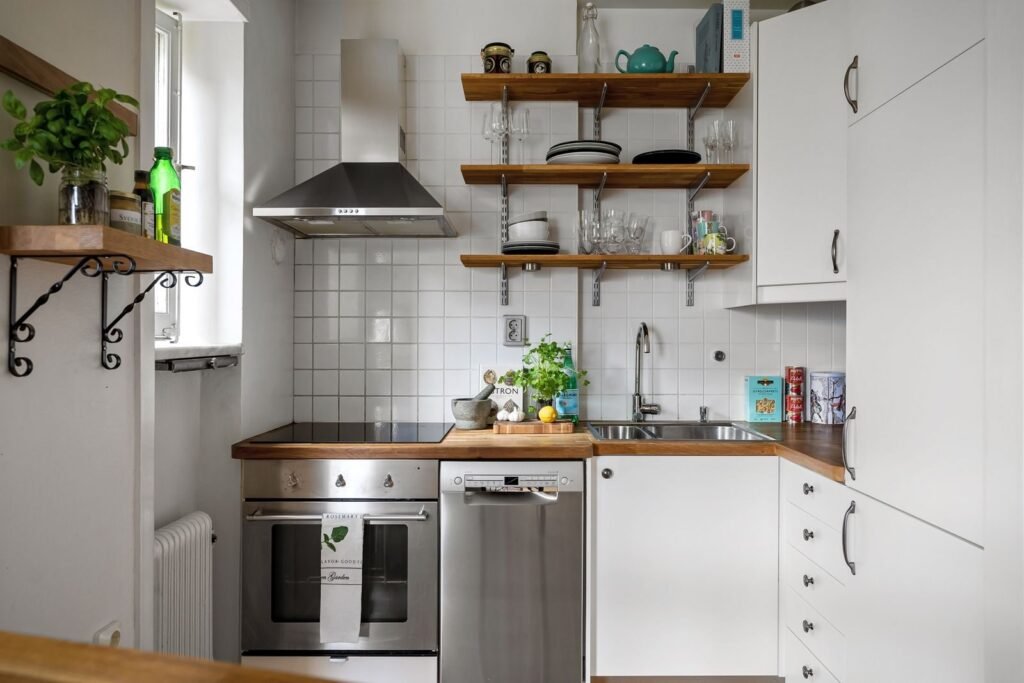
Small Kitchen Storage Ideas for Renters