

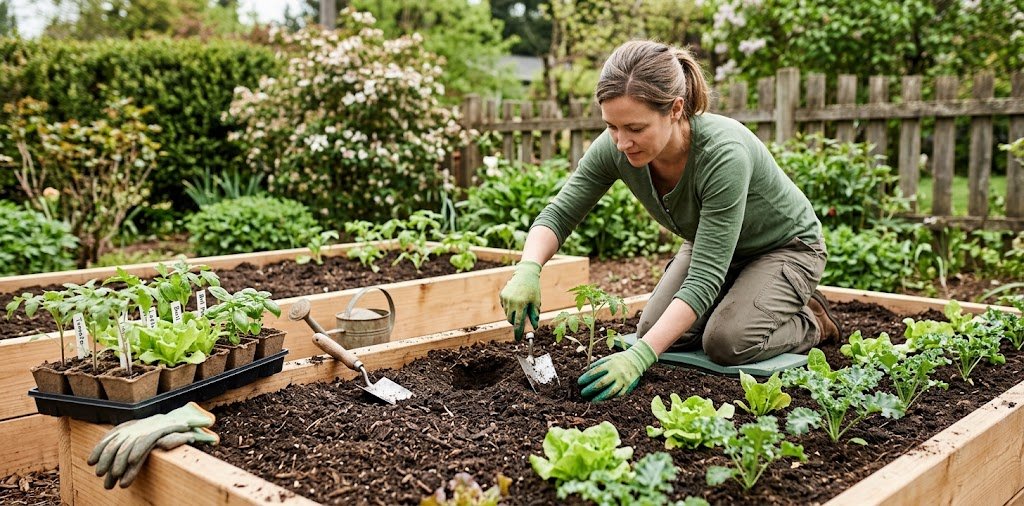
A veggie garden does not have to take up a large backyard or require years of gardening experience. With the right spot, suitable vegetables, healthy soil, and a little planning, even a small space can become a productive source of fresh food.
The key is to start with the space you have rather than trying to create the garden you see in a magazine. A few well-chosen plants that are easy to maintain will usually give a better first experience than an ambitious garden that quickly becomes difficult to manage.
If you are wondering how to plant a veggie garden, start with the basics: choose your location, decide what to grow, prepare the soil, plant at the right time, and give your vegetables consistent care.
Choose The Right Spot For Your Veggie Garden
Before buying seeds or digging a single hole, spend some time watching the light in your garden. Most vegetables perform best with at least six hours of direct sunlight each day, while crops such as tomatoes and peppers generally benefit from even more.
Water access matters too. A garden that looks perfect but requires carrying water across the yard every day will become frustrating quickly. Choose a location that is easy to reach and has good drainage.
If trees, buildings, or walls cast heavy shade over the area for most of the day, consider another location. Soil can be improved, but there is only so much you can do to compensate for a garden that receives too little sunlight.
Decide What You Want To Grow
The best first vegetables are the ones you actually enjoy eating. There is little value in filling your garden with crops that sound interesting but rarely make it onto your plate.
Start with three or four vegetables rather than trying to grow everything at once. Bush beans, lettuce, radishes, cucumbers, tomatoes, peppers, and leafy greens are among the crops commonly recommended for beginner gardens.
Think about how much space each plant will eventually need, not just how small it looks as a seedling. Some vegetables stay compact, while others spread or need support as they grow.
If your space is limited, look for dwarf, bush, or patio varieties. These are specifically suited to smaller gardens and containers.
Choose The Best Garden Type For Your Space
You do not need a traditional vegetable patch to grow fresh produce. Your garden can be planted directly in the ground, built in raised beds, or grown in containers.
In-Ground Vegetable Gardens
An in-ground garden is a good option if you already have a suitable patch of soil. It can provide plenty of room for larger crops and does not require purchasing containers or building beds.
The downside is that the existing soil may need more preparation. Heavy, compacted, or poorly draining soil can make it harder for roots to develop properly.
Raised Garden Beds
Raised beds give you more control over the growing environment. You can choose the soil mix, improve drainage, and organize your vegetables into clearly defined growing areas.
Keep the bed narrow enough that you can comfortably reach the center without stepping into it. A well-planned layout also makes watering, weeding, and harvesting easier throughout the season.
Containers And Grow Bags
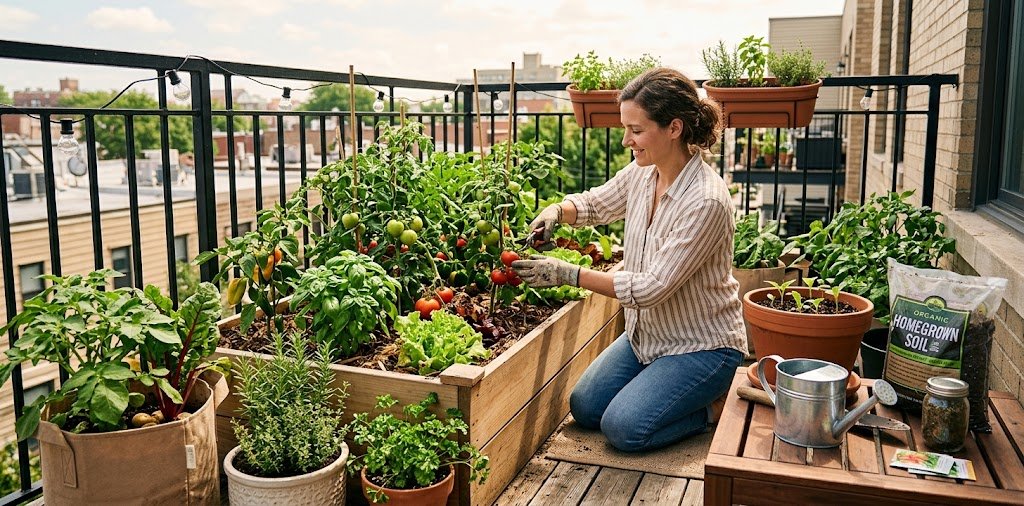
Containers are ideal when you have a balcony, patio, rooftop, or only a small amount of outdoor space. Tomatoes, peppers, lettuce, herbs, radishes, and other compact vegetables can all work well in suitable containers.
Make sure every container has adequate drainage. A container without drainage holes can leave roots sitting in water, creating conditions that encourage root problems.
Prepare The Soil Before Planting
Healthy soil gives your vegetables a much stronger starting point. It should be loose enough for roots to grow, drain excess water, and contain enough organic matter to support healthy plant growth.
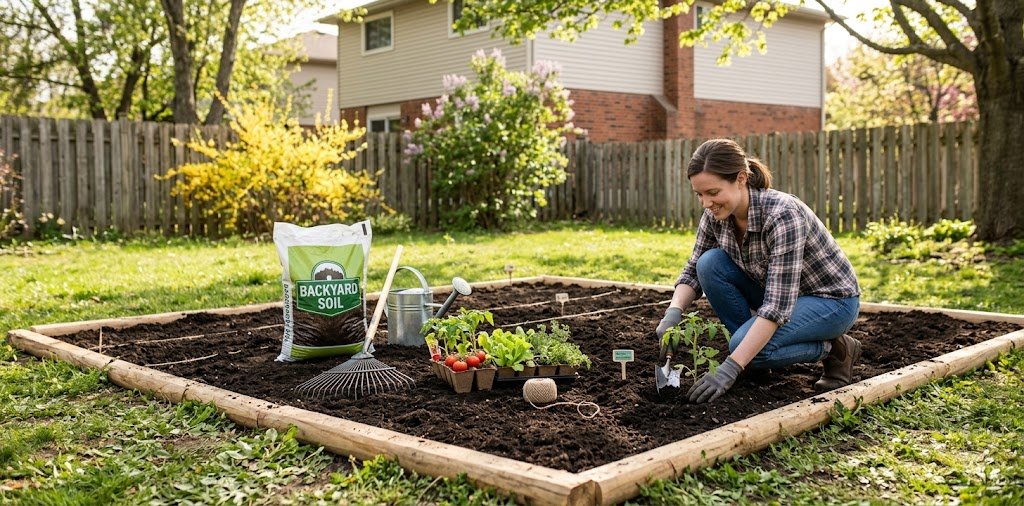
If you are planting in the ground, remove grass and weeds from the growing area. Break up compacted soil and work in good-quality compost or other suitable organic matter.
A soil test can also tell you about nutrient levels and pH before you start adding fertilizers or amendments. This prevents you from guessing what your soil needs and adding products unnecessarily.
For containers, use a quality growing medium designed for pots rather than relying entirely on dense garden soil. Good drainage is particularly important because container roots have much less room to recover from waterlogged conditions.
Know When To Plant
Timing can make the difference between a thriving garden and a disappointing one. Vegetables have different temperature and growing-season requirements, so check the recommended planting window for your local climate before sowing.
In cooler climates, gardeners often use the local last frost date to plan spring planting. In warmer regions, the planting calendar can look completely different.
For example, gardening resources in Pakistan organize vegetables around seasonal growing conditions. Cool-season crops such as spinach, coriander, peas, carrots, radishes, and lettuce are commonly grown during the cooler months, while tomatoes, chillies, okra, cucumbers, and gourds are better suited to warmer conditions.
The important point is not to follow a calendar blindly. Your local temperature, sunlight, and growing conditions should guide your planting decisions.
Decide Between Seeds And Seedlings
Seeds are an inexpensive way to start a garden and give you a much wider choice of varieties. They can be particularly useful for crops that are easy to sow directly into the garden.
Some vegetables, however, are easier for beginners when purchased as healthy young plants. Tomatoes and peppers are common examples where starting with established plants can save time.
If you buy seedlings, look for plants with healthy leaves and sturdy growth. Avoid plants that appear severely overgrown, damaged, or tightly root-bound.
Plants started indoors may also need time to adjust to outdoor conditions before being planted permanently. Gradually exposing them to outdoor light, temperature, and wind helps reduce transplant stress.
Plan Your Layout Before You Plant
A few minutes of planning can prevent months of frustration. Sketch your garden on paper and decide where each vegetable will go before putting plants into the soil.
Keep taller crops where they are less likely to shade shorter ones. A common recommendation is to position taller vegetables toward the north or west side of the garden so they do not block as much sunlight from smaller plants.
Leave enough room between plants for mature growth and airflow. Overcrowding may seem like an efficient use of space at planting time, but it can make watering, harvesting, and pest management much harder later.
Climbing crops such as cucumbers and beans can also be trained onto trellises. Growing upward allows you to make better use of limited garden space.
How To Plant A Veggie Garden Step By Step
Once your site, soil, crops, and planting dates are ready, the actual planting process is fairly simple.
1. Mark Your Planting Areas
Use a string, garden marker, or simple measurements to create rows or planting sections. Keep your layout easy to access so you can reach every plant without stepping on the growing soil.
2. Check The Recommended Planting Depth
Seed packets usually provide information about planting depth and spacing. Follow those recommendations because seeds planted too deeply may struggle to emerge.
3. Give Plants Enough Room
Seedlings may look tiny when they go into the garden, but they will grow quickly. Follow the recommended spacing for each vegetable rather than filling every available gap.
4. Water After Planting
Give newly planted seeds or seedlings enough water to settle the soil around them. Water gently so that seeds are not washed away or exposed.
5. Label What You Plant
Simple labels can save you from guessing which variety you planted, especially when several seedlings look similar. Include the crop name and planting date if you want to keep track of your garden’s progress.
Water Your Vegetable Garden Properly
Newly planted seeds need consistent moisture while they germinate, but mature vegetables generally benefit from deeper watering that reaches their root systems.
Rather than watering according to a rigid schedule, check the soil and consider the weather. Hot, dry conditions may require more frequent watering, while rainy periods may require less.
Water around the base of plants instead of constantly wetting the foliage. Morning watering can also help plants make better use of moisture during the day.
Containers may dry out faster than garden beds, particularly during hot weather. Check them regularly rather than assuming they need the same watering routine as plants growing in the ground.
Add Mulch And Keep Weeds Under Control
Once your plants are established, a layer of suitable organic mulch can help conserve soil moisture and reduce weed growth.
Weeds compete with vegetables for water, nutrients, light, and space. Removing them while they are still small is much easier than waiting until they have developed deep roots.
Avoid disturbing the soil unnecessarily around established plants. Gentle, regular maintenance is usually easier than allowing weeds to take over and trying to clear everything at once.
Watch For Pests And Plant Problems
Even a well-planned garden will occasionally have yellow leaves, damaged foliage, slow growth, or unwanted insects. The goal is to notice problems early rather than expecting every plant to remain perfect.
Check your vegetables regularly, especially the undersides of leaves. Look for holes, discoloration, wilting, unusual spots, or visible insects.
Before reaching for a treatment, identify the likely cause. Yellow leaves could be related to watering, nutrition, roots, or other growing conditions, while holes in leaves may point toward insect activity.
Regular observation gives you a chance to correct small problems before they become major ones. For more on feeding, watering rhythms, and troubleshooting once your plants are established, see our complete guide on how to grow vegetables at home.
Make Your Garden Part Of Your Home
A vegetable garden does not have to feel separate from the rest of your home. Whether it is a small collection of containers beside the kitchen, a few raised beds in the backyard, or herbs growing on a patio, the most successful garden is one that fits naturally into everyday life.
That same approach to intentional, functional spaces is central to True Homely. Instead of treating a home as a collection of disconnected pieces, think about how each space supports the way you actually live.
A thoughtfully placed garden can become part of that experience. Keep frequently harvested herbs and vegetables within easy reach, create a comfortable path to your growing area, and choose a setup that looks considered as well as practical.
Harvest And Keep Planting
Harvesting is one of the most rewarding parts of growing your own vegetables. Pick produce when it reaches the appropriate size and maturity for the variety, rather than waiting for everything in the garden to mature at once.
Fast-growing crops can often be planted in succession. Once one crop is harvested, another can take its place, allowing you to make better use of the same patch of soil throughout the growing season.
You can also use the garden as a learning process. Keep a simple record of what you planted, when you planted it, how it performed, and what you would change next time.
Your second garden will almost always be easier than your first because you will already know which vegetables worked in your space and which ones were more effort than they were worth.
Frequently Asked Questions
What Are The Easiest Vegetables To Grow?
Radishes, lettuce, leafy greens, beans, cucumbers, and some herbs are good starting points for many beginners. Choose crops that suit your local climate and the amount of sunlight available.
How Much Sun Does A Veggie Garden Need?
Many vegetables need at least six hours of direct sunlight each day. Fruiting vegetables such as tomatoes and peppers often perform better with longer periods of direct sun.
Can I Plant A Veggie Garden In Containers?
Yes. Containers and grow bags can work well for small spaces, balconies, patios, and rooftops. Choose a container large enough for the mature plant and make sure it has adequate drainage.
Should I Start With Seeds Or Plants?
Both options can work. Seeds are affordable and offer more variety, while established seedlings can make certain vegetables easier for beginners. Follow the recommended planting method for each crop.
How Often Should I Water A Vegetable Garden?
There is no single watering schedule that works for every garden. Check the soil, temperature, rainfall, and plant growth. Newly planted seeds need consistent moisture, while established plants generally benefit from deeper watering when the soil begins to dry.
What Is The Best Soil For A Vegetable Garden?
Vegetables generally perform best in loose, well-draining soil containing organic matter. Testing your soil before adding amendments can help you understand its pH and nutrient needs.
Can I Grow Vegetables In A Small Backyard?
Absolutely. Start with a few compact crops and use vertical growing, containers, raised beds, or succession planting to make better use of limited space. Smaller gardens are also easier to maintain while you build confidence.
Start Small And Grow From There
The best veggie garden is not necessarily the biggest one. It is the garden you can actually care for, harvest from, and enjoy throughout the season.
Choose a sunny location, prepare the soil, grow vegetables you genuinely want to eat, and pay attention to your local planting conditions. Once you understand what works in your space, you can add more crops, experiment with new varieties, and gradually turn a small growing area into something that feels like a natural part of your home.

[…] beginning. For an even more detailed, step-by-step planting walkthrough, see our companion guide on how to plant a veggie garden. You can start crops from seeds or purchase young plants from a […]
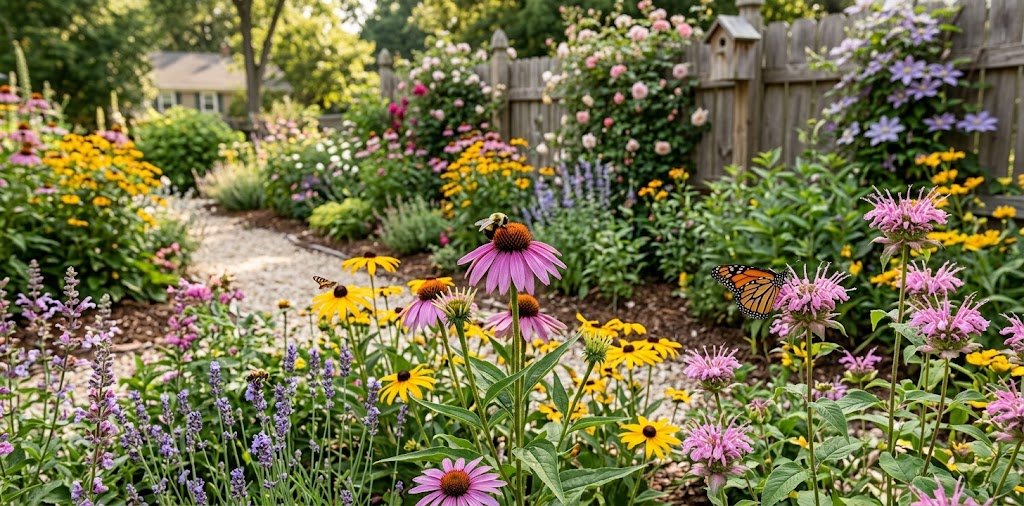
[…] Flowering herbs can also serve two purposes. You can harvest them for cooking and allow some plants to flower when you want to provide additional food for pollinators. For the full planting process of your vegetable beds, see our guide on how to plant a veggie garden. […]