

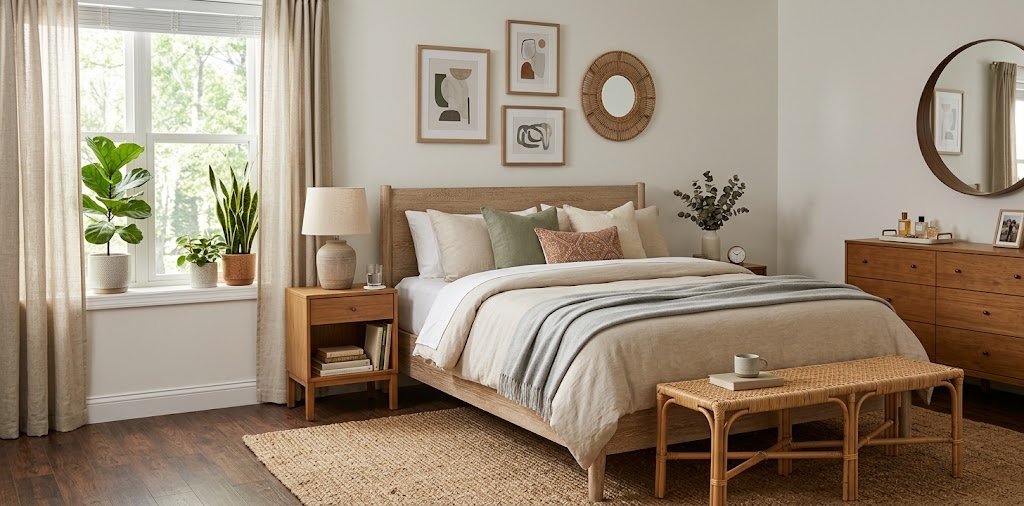
Your bedroom carries more weight than any other room in your home. It is where your day ends and where the next one begins, so the way it looks and feels shapes your mood far more than you might expect. A cluttered, mismatched space can leave you restless, while a thoughtfully decorated one can feel like a quiet exhale at the end of a long day.
The good news is that decorate your bedroom does not require a full renovation or a designer’s budget. With a clear plan, the right colors, and a few intentional touches, you can turn any bedroom into a space you actually look forward to walking into. This guide walks you through every step, from planning to picking a palette to knowing what to leave out entirely.
Where to Start: Planning Your Bedroom Makeover
Every great bedroom starts with a plan, not a shopping cart. Before buying anything, take a few minutes to think through how you actually want the room to function and feel.
Define Your Bedroom’s Purpose and Function
Think about how you use your bedroom day to day. Do you need a reading nook, extra storage for clothes, or a small desk tucked in the corner? Knowing this upfront prevents you from buying furniture that looks nice but does not fit your life.
Choose a Style or Theme First
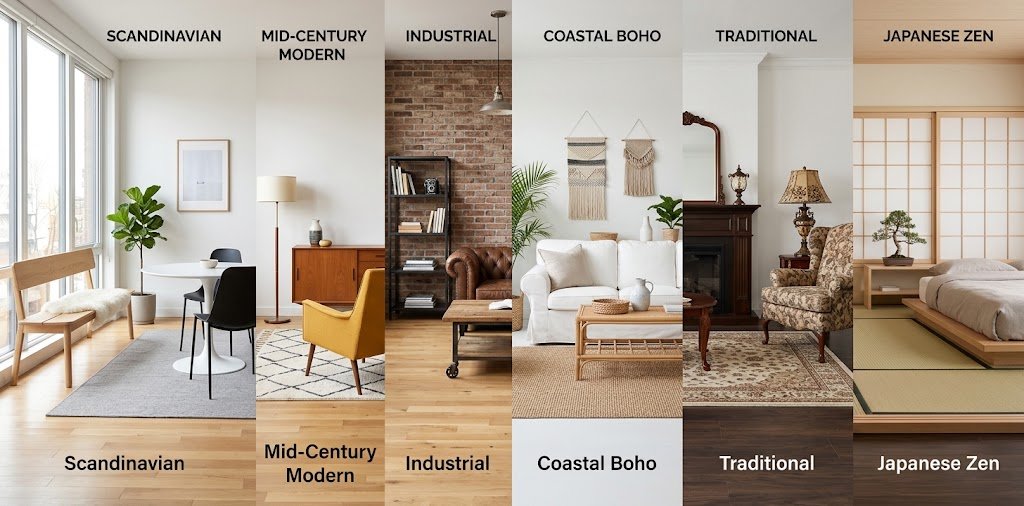
Deciding on a style, whether it is modern minimalist, cozy cottage, or warm boho, gives every other decision a direction. Once you know your style, choosing paint colors, furniture, and accessories becomes far less overwhelming.
Set a Realistic Budget
A budget keeps your decorating focused instead of scattered. Decide early what you are willing to spend on big pieces like a bed frame versus smaller finishing touches like pillows and art.
Build a Mood Board Before You Buy
Pull together images, fabric swatches, or paint chips that reflect the look you want. A simple mood board, whether it is a pinboard or a folder of saved photos, keeps your choices consistent as you shop.
How to Choose the Right Color Scheme
Color has the single biggest impact on how your bedroom feels, so it deserves real thought before you pick up a paint brush.
Calming vs. Bold Color Palettes
Soft neutrals, muted blues, and gentle greens tend to create a restful, sleep-friendly atmosphere. If you prefer more personality, bold jewel tones or a deep charcoal wall can still feel cozy when balanced with warm lighting and soft textiles.
Popular Bedroom Colors for 2026
Warm neutrals continue to lead the way this year, often paired with natural materials like rattan and jute for texture. Soft, buttery yellows and gentle terracotta tones are also gaining ground for bedrooms that want to feel inviting without leaning too dark.
Arranging Bedroom Furniture the Right Way
Furniture placement shapes both the look and the flow of your bedroom, so it is worth getting right before you commit to a final layout.
Making the Bed the Focal Point
Your bed is the largest piece in the room and should anchor the entire layout. Position it against the wall that gives it the most visual weight, ideally opposite the door or in the room’s most balanced sightline.
Bedroom Feng Shui Basics
Feng shui principles suggest placing your bed in a commanding position, meaning you can see the door from bed without being directly in line with it. Leaving equal space on both sides for nightstands also creates a sense of balance that many people find genuinely calming.
Furniture Tips for Small vs. Large Bedrooms
In a smaller room, choose furniture with exposed legs and lighter finishes to keep the space feeling open. In a larger room, do not be afraid to add a bench at the foot of the bed or a reading chair in the corner, since too little furniture can make a big room feel empty and unfinished.
Layering Lighting for Comfort and Style
Lighting can transform a bedroom just as much as paint or furniture, and it is one of the most overlooked elements in decorating.
Ambient, Task, and Accent Lighting
A single overhead fixture rarely does a bedroom justice. Layering ambient light with task lighting for reading and accent lighting for mood gives you far more control over how the room feels at different times of day.
Easy Lighting Upgrades
- Add dimmer switches to any overhead fixture for instant flexibility.
- Swap a single flush-mount light for a statement pendant or small chandelier.
- Place a lamp or sconce on each side of the bed instead of relying on one central light source.
Adding Texture With Textiles
Textiles are one of the fastest ways to add warmth and personality without touching a paint can or moving furniture.
Rugs, Curtains, and Throw Pillows
A rug placed correctly under and around the bed grounds the entire room, so it is worth going slightly larger than you think you need. Curtains hung a few inches below the ceiling line, rather than right above the window frame, make the whole room feel taller and more polished.
Layered Bedding Ideas
Mixing textures, such as a woven throw over crisp cotton sheets, gives your bed a hotel-like richness. Two to three pillow sizes layered together tend to look more intentional than a single matching set straight out of the package.
Wall Decor and Art Ideas
Bare walls are one of the most common reasons a bedroom feels unfinished, and they are also one of the easiest fixes.
What to Put Above the Bed
A single piece of art scaled to about two-thirds the width of your headboard usually looks the most balanced. If you prefer something softer, a textile wall hanging or tapestry brings in color and texture without needing to drill into the wall.
Gallery Walls, Tapestries, and Statement Mirrors
A curated gallery wall of three to five frames feels far more intentional than a scattered collection of random prints. A well-placed mirror can also visually double a small bedroom while reflecting extra natural light around the room.
Personal Touches That Make It Feel Like You
The difference between a bedroom that looks like a catalog page and one that feels like home usually comes down to personal details.
Displaying Sentimental Items
A few meaningful pieces, whether it is a framed photo or an heirloom passed down through your family, tell your story in a way generic decor never will. Choose a handful of items rather than displaying everything at once, since restraint tends to make each piece stand out more.
Adding Plants for a Fresh, Calm Feel
A small plant on your nightstand or a larger one in the corner instantly softens a room and brings in a bit of life. If you are not confident with real plants, a well-chosen faux version can offer the same visual benefit with far less upkeep.
Budget-Friendly Bedroom Decorating Ideas
You do not need a large budget to make a meaningful difference in how your bedroom looks and feels.
Splurge vs. Save: Where to Spend and Where to Skip
Investing in a quality mattress and a well-made headboard tends to pay off the longest, since both affect comfort as much as style. Meanwhile, accessories like throw pillows, art, and small decor pieces are easy places to save without sacrificing the overall look.
DIY and No-Cost Decor Updates
Rearranging furniture you already own can make a bedroom feel entirely new without spending a dollar. Repainting an old frame, framing fabric scraps, or pressing flowers into a simple frame are all low-cost ways to add a custom touch.
Renter-Friendly Decorating
Renting does not mean you have to live with a bland, unfinished bedroom until you move.
Removable Wallpaper, Command Hooks, and Tension Rods
Peel-and-stick wallpaper can transform an accent wall without violating a lease agreement. Tension rods and adhesive hooks let you hang curtains, art, and even a fabric canopy above the bed without a single nail.
Small Bedroom Decorating Ideas
A small bedroom has its own set of design challenges, but those limits often push you toward smarter, more creative choices.
Making a Small Room Feel Bigger
Light, neutral wall colors combined with a few well-placed mirrors can make a small bedroom feel noticeably more open. For furniture sizing, layout, and space-saving picks specifically, see our dedicated guide on how to furnish a small bedroom. Vertical storage, like tall bookshelves or wall-mounted shelving, frees up floor space while keeping your belongings accessible.
What Not to Put in Your Bedroom
Knowing what to leave out is just as important as knowing what to add, especially if your goal is a restful space.
Designers consistently point to a few repeat offenders. A television left as the room’s centerpiece, a work desk that blurs the line between rest and productivity, and harsh overhead lighting with no dimmer all work against the calm you are trying to create. Clutter, whether it is loose cables, unfolded laundry, or too much furniture crammed into one corner, has the same effect.
2026 Bedroom Trends to Know
If you want your bedroom to feel current without chasing every passing trend, a few themes are worth paying attention to this year.
Cocooning, or designing a warm, enveloping retreat rather than a purely functional room, continues to shape how people approach their bedrooms in 2026. Biophilic touches like rattan, jute, and abundant greenery pair well with this idea, as do illustrated statement rugs that add personality underfoot. Smart lighting and hidden technology round things out, letting comfort take priority without visual clutter.
True Homely Picks: Shop the Look
If you are ready to put these ideas into practice, True Homely carries pieces designed to make each step easier. Our layered bedding sets and neutral throw pillows pair naturally with the color palettes covered above, while our collection of woven rugs and tapestries offers renter-friendly ways to add texture without a single nail.
For smaller rooms, our space-saving nightstands and wall-mounted shelving are built with exposed legs and light finishes to keep the room feeling open. Whichever style you are working toward, browsing our bedroom collection is a simple way to turn this guide into a finished room.
FAQs
What should you not have in your bedroom?
Televisions, work desks, and harsh overhead lighting are the most common items designers recommend removing. Clutter of any kind, from loose cables to overflowing laundry, also works against a restful atmosphere.
How can I decorate my bedroom cheaply?
Rearranging existing furniture, swapping bedding, and adding a few plants are all effective no-cost or low-cost updates. DIY projects like repainting an old frame or creating fabric wall art can add a custom touch without a big investment.
What is the best color to decorate a bedroom?
Soft neutrals, muted blues, and warm greens tend to create the most restful atmosphere for sleep. Bolder colors can still work well when balanced with warm lighting and soft textiles.
How do I make a small bedroom feel bigger?
Light, neutral walls, strategically placed mirrors, and vertical storage all help a small bedroom feel more open. Choosing furniture with exposed legs also keeps the floor visually clear.
Does bedroom feng shui really matter?
Feng shui is not a strict rule, but many people find that placing the bed in a commanding position genuinely improves how calm the room feels. Small adjustments, like balancing nightstands on either side of the bed, are easy to try regardless of your beliefs.
What are the 2026 bedroom decor trends?
Cocooning, biophilic materials like rattan and jute, and illustrated statement rugs are among the most notable trends this year. Smart lighting and invisible technology are also becoming more common as people prioritize comfort over visible gadgets.

[…] For color palettes, lighting, and wall decor once the furniture plan is set, see our full guide on how to decorate your bedroom. Whether you are starting from scratch or reworking what you already own, the same principles […]