

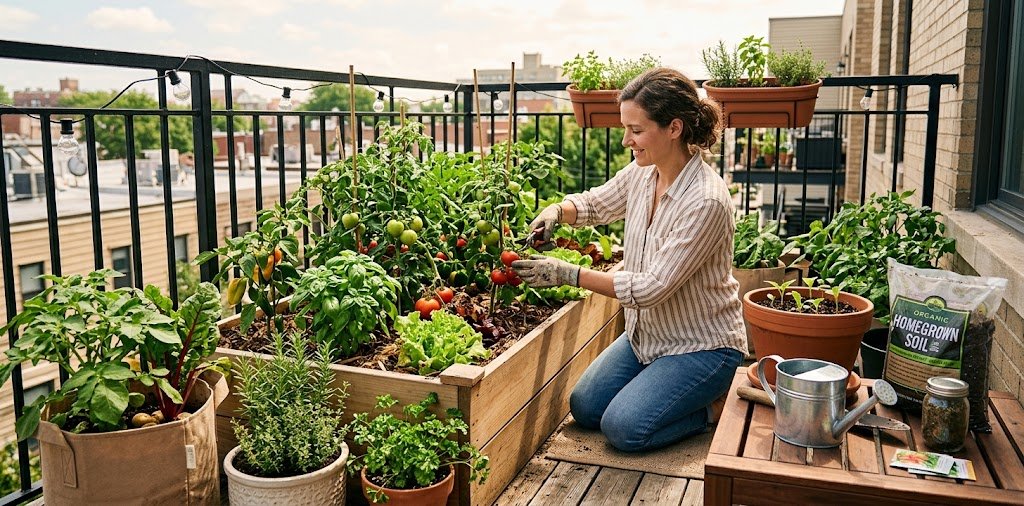
Learning how to grow vegetables at home is a rewarding way to enjoy fresh produce, make better use of outdoor space, and develop a practical gardening skill. You do not need a large backyard or expensive equipment to begin. A sunny balcony, patio, rooftop, or small garden can provide enough space for several productive vegetables.
The key to a successful home vegetable garden is understanding what plants need to grow: suitable sunlight, healthy soil, sufficient water, appropriate containers, and consistent care. Once you understand these basics, you can start with a few easy crops and gradually expand your garden.
This guide explains how to plan, plant, and maintain a vegetable garden at home, including how to grow vegetables at home in pots and how to avoid common beginner mistakes.
Planning Your Home Vegetable Garden
Before buying seeds or preparing containers, consider your available space, local climate, and the vegetables you want to grow. Good planning helps you avoid wasted materials and gives your plants a better chance of producing a healthy harvest.
Choose the Right Growing Space
Vegetables can grow in many settings, including:
- Backyard garden beds.
- Raised garden beds.
- Patio containers.
- Balconies and terraces.
- Rooftop planters.
- Sunny windowsills for selected herbs and compact crops.
Look for a location that receives adequate sunlight and has convenient access to water. If you are using a balcony or rooftop, check that the structure can safely support the weight of wet soil and containers.
Understand Sunlight Requirements
Most fruiting vegetables, such as tomatoes, peppers, and cucumbers, grow best with around six to eight hours of direct sunlight daily. Leafy vegetables, including lettuce and spinach, can often tolerate less direct sun, particularly in warmer climates.
Observe your chosen location throughout the day. Buildings, walls, and trees may create shadows that change with the seasons.
Select Vegetables Suitable for Beginners
Start with crops that match your available space and growing conditions. Radishes, leafy greens, bush beans, and herbs are often practical choices for new gardeners.
If you have more room, you can add tomatoes, peppers, eggplants, cucumbers, or zucchini. Check the expected mature size of each plant before deciding where to grow it.
Prepare the Soil for Healthy Vegetable Growth
Healthy soil provides roots with support, moisture, air, and nutrients. Poor soil can limit plant development even when sunlight and watering are adequate.
Use a Suitable Soil Mix
For an outdoor garden bed, loosen the soil and remove large stones, weeds, and debris. Adding mature compost can improve soil structure and contribute organic matter.
For containers, use a quality potting mix designed for vegetables rather than ordinary garden soil alone. Garden soil can become compacted in pots, reducing drainage and root aeration.
A practical container mix commonly includes:
- Potting mix for structure and moisture management.
- Compost for organic matter.
- Additional amendments only when needed based on the product instructions or soil conditions.
Avoid using fresh manure directly around edible crops because it can damage roots and create food-safety concerns.
Check Drainage Before Planting
Waterlogged soil can deprive roots of oxygen and encourage root diseases. Make sure garden beds do not remain saturated after watering or rain.
Every outdoor container should have drainage holes. Place containers where excess water can escape without damaging walls, floors, or neighboring plants.
Consider Soil Testing
A soil test can identify pH and nutrient conditions in an established garden bed. Many vegetables perform well in slightly acidic to neutral soil, although individual crops have different preferences.
Testing is particularly useful when plants repeatedly show poor growth despite adequate light and watering.
How to Grow Vegetables at Home in Pots
Container gardening is an excellent solution for people with limited outdoor space. It allows you to grow vegetables on patios, balconies, and other suitable areas without preparing a permanent garden bed.
Select the Right Container Size
The container should accommodate the plant’s mature root system. Small pots may work for herbs and radishes, while larger crops need deeper and wider containers.
| Vegetable | Typical container guidance |
|---|---|
| Radishes | Shallow container with enough depth for the variety |
| Lettuce | Moderate depth with sufficient surface area |
| Herbs | Small to medium pot, depending on the herb |
| Bush beans | Larger container with support if required |
| Tomatoes | Large, deep container suited to the variety |
| Cucumbers | Large container with a suitable trellis |
These are general starting points. Always check the seed packet or plant label for the recommended spacing and container requirements.
Choose Containers That Support Root Health
Plastic, fabric, ceramic, and wooden planters can all work when they provide adequate drainage and are appropriate for outdoor use. Dark-colored containers may heat up more quickly in strong sunlight, so monitor soil moisture and root-zone temperature during hot weather.
Place large containers in their final position before filling them because they can become difficult to move once filled with soil and water.
Grow Vegetables Vertically
Vertical gardening helps make efficient use of limited space. Trellises, stakes, and other supports can guide climbing crops upward instead of allowing them to spread across the ground.
Cucumbers, pole beans, and some tomato varieties benefit from suitable support. Install the trellis early so that you do not disturb established roots later.
How to Plant Vegetable Seeds and Seedlings
Planting correctly gives vegetables a strong beginning. For an even more detailed, step-by-step planting walkthrough, see our companion guide on how to plant a veggie garden. You can start crops from seeds or purchase young plants from a nursery.
Starting Vegetables From Seeds
Seeds are economical and offer a wide selection of varieties. Follow the packet instructions for sowing depth, spacing, germination temperature, and planting season.
A simple seed-starting process is:
- Fill a clean seed tray or small container with suitable growing medium.
- Moisten the medium evenly without saturating it.
- Sow seeds at the recommended depth.
- Cover lightly with growing medium.
- Place the tray in a suitable location with appropriate warmth and light.
- Keep the medium consistently moist while the seeds germinate.
Once seedlings develop their first true leaves, follow the crop’s transplanting guidance. Some vegetables, such as carrots and radishes, are often best sown directly where they will grow because their roots can be disturbed during transplanting.
Planting Nursery Seedlings
Young plants can save time and are useful for crops with longer growing seasons. Choose seedlings with healthy green leaves, sturdy stems, and no obvious pest damage.
Before moving seedlings outdoors, gradually expose them to outdoor conditions over several days when needed. This process, known as hardening off, helps reduce transplant shock.
Follow Proper Plant Spacing
Crowded plants compete for sunlight, water, and nutrients. They may also have poorer airflow, increasing the risk of certain fungal diseases.
Use the spacing recommendations on the seed packet rather than placing plants according to their current small size.
Watering Vegetables the Right Way
Water is essential for nutrient transport, photosynthesis, and plant growth. However, excessive watering can be as harmful as underwatering.
Check Soil Moisture Before Watering
Insert your finger into the top layer of soil or use a moisture meter to assess conditions. If the growing medium is dry where the roots are active, water thoroughly.
Container plants often dry out faster than garden beds, especially during hot, windy weather. Check them more frequently during these conditions.
Water at the Root Zone
Apply water close to the soil rather than repeatedly wetting the foliage. A watering can with a gentle rose or a drip irrigation system can help deliver water more precisely.
Water in the morning when practical. This gives excess moisture on leaves time to evaporate and allows plants to absorb water before the hottest part of the day.
Adjust Watering to the Season
Young seedlings, newly transplanted plants, and mature fruiting crops have different water requirements. Temperature, humidity, rainfall, soil type, and container size all affect how frequently you need to water.
Avoid following a fixed daily schedule without checking actual soil moisture.
Provide Nutrients for Strong Plant Development
Vegetables need nutrients to produce leaves, roots, flowers, and edible crops. The right fertilizer depends on the plant, soil condition, and stage of growth.
Understand the Main Plant Nutrients
The three primary nutrients listed on many fertilizers are:
- Nitrogen: Supports leafy growth and chlorophyll production.
- Phosphorus: Contributes to root development and reproductive growth.
- Potassium: Supports overall plant function, water regulation, and crop development.
Plants also require secondary nutrients and micronutrients in smaller quantities.
Use Compost and Fertilizer Carefully
Compost can improve soil organic matter, but it may not supply every nutrient in the proportions a heavy-feeding crop requires. A fertilizer formulated for vegetables can supplement nutrition when appropriate.
Follow label instructions and avoid applying excessive fertilizer. Too much nitrogen, for example, may encourage abundant foliage while delaying fruit production in some crops.
Protect Your Plants From Pests and Diseases
A productive vegetable garden requires regular observation. Detecting problems early is generally easier than trying to recover severely damaged plants.
Inspect Leaves, Stems, and Soil
Check plants for:
- Holes or chewed leaf edges.
- Discolored or curling leaves.
- Sticky residue or visible insects.
- Wilting despite adequate soil moisture.
- White, gray, or unusual growth on plant surfaces.
Look underneath leaves because some pests hide there.
Use Preventive Gardening Practices
Healthy growing conditions can reduce stress and help plants withstand common problems. Provide sufficient spacing, avoid overwatering, remove severely damaged plant material when appropriate, and keep weeds under control.
Physical barriers, insect netting, hand removal, and targeted pest management may be useful depending on the crop and pest.
Rotate Crops in Garden Beds
If you grow vegetables in the same ground year after year, rotating plant families can help manage certain soilborne pests and diseases. For example, avoid planting the same crop family in exactly the same location repeatedly when space allows.
Container soil should also be managed carefully between growing cycles, particularly if a previous crop suffered from disease.
Maintain Your Vegetable Garden for Better Harvests
Regular care makes it easier to identify problems before they become serious.
Remove Weeds and Competing Growth
Weeds compete with vegetables for light, moisture, and nutrients. Pull or remove them while they are small, taking care not to disturb shallow vegetable roots.
A suitable layer of mulch can help reduce weed growth and slow moisture loss. Keep mulch away from direct contact with plant stems.
Support and Prune Plants When Necessary
Some tomatoes, cucumbers, and climbing beans need support as they grow. Tie plants gently to stakes or trellises using soft ties.
Pruning requirements vary by crop and variety. Avoid removing healthy leaves unnecessarily because they contribute to photosynthesis.
Watch for Flowering and Fruit Development
Once plants begin flowering, check that their growing conditions remain suitable. Some crops rely on pollinators, while others can self-pollinate.
In areas with extreme heat, flowering and fruit set may be affected. Providing appropriate water, shade during dangerous heat when suitable, and crop varieties adapted to the local climate can help.
When and How to Harvest Homegrown Vegetables
Harvesting at the correct stage improves quality and encourages continued production in many crops.
Harvest Leafy Vegetables
Lettuce, spinach, and some herbs can often be harvested gradually by removing outer leaves while allowing the plant to continue growing.
Harvest during cooler parts of the day when possible, and handle delicate leaves gently.
Pick Fruiting Vegetables Regularly
Beans, cucumbers, and zucchini are often harvested while young and tender, according to the variety. Tomatoes are generally picked when they reach the appropriate maturity stage, which may be indicated by color and firmness.
Use clean garden scissors or a knife when cutting stems that are difficult to remove by hand. Avoid pulling forcefully on the plant.
Store Produce Properly
Different vegetables have different storage requirements. Leafy greens generally benefit from cool storage and protection from excessive moisture loss. Root vegetables may require different conditions depending on the crop.
Harvest only what you can use or preserve effectively, and plan successive plantings if you want a more continuous supply.
Common Mistakes to Avoid When Growing Vegetables
Beginners often make mistakes that can be corrected with simple changes in routine.
| Common mistake | Better gardening practice |
|---|---|
| Planting without checking sunlight | Observe the location and choose suitable crops |
| Using containers without drainage | Select pots with adequate drainage holes |
| Overwatering on a fixed schedule | Check soil moisture before watering |
| Crowding seedlings | Follow recommended spacing |
| Applying too much fertilizer | Use appropriate products at label rates |
| Ignoring pests until damage is severe | Inspect plants regularly |
| Growing unsuitable crops for the season | Select varieties adapted to local conditions |
The goal is not to create a perfect garden immediately. Consistent observation and small improvements are what make gardening more successful over time.
Frequently Asked Questions
How long does it take to grow vegetables at home?
The growing period depends on the vegetable, variety, temperature, and growing conditions. Radishes and some leafy greens can be ready in a few weeks, while tomatoes and other fruiting crops may take several months.
Can I grow vegetables at home without a backyard?
Yes. Container gardening allows you to grow suitable vegetables on balconies, patios, terraces, and other spaces with adequate sunlight, water access, and safe load-bearing capacity.
What are the easiest vegetables for beginners?
Radishes, lettuce, leafy greens, bush beans, and herbs are often good starting choices. Select crops that suit your climate and available sunlight.
How often should I water vegetables in pots?
There is no universal schedule. Check the growing medium regularly and water when the plant’s root zone begins to dry according to the crop’s needs. Containers may require more frequent attention during hot weather.
Can I grow vegetables organically at home?
Yes. Organic gardening can include compost, non-synthetic soil amendments, physical pest barriers, and other practices consistent with organic gardening principles. Choose certified products when formal organic certification matters to you.
Why are my vegetable plants growing leaves but not producing vegetables?
Possible causes include insufficient light, excessive nitrogen, unsuitable temperatures, poor pollination, or the natural growth stage of the plant. Identify the crop and review its specific growing requirements before changing fertilizer or watering.
Conclusion
Learning how to grow vegetables at home starts with choosing suitable crops, preparing healthy soil, providing enough sunlight, and maintaining consistent watering and care. Whether you have a spacious backyard or a few containers on a balcony, you can build a productive garden by starting small and learning from each growing season.
With thoughtful planning and regular observation, growing vegetables at home becomes more than a way to produce fresh food. It is a practical home improvement project that can make your outdoor space more useful, enjoyable, and connected to nature.

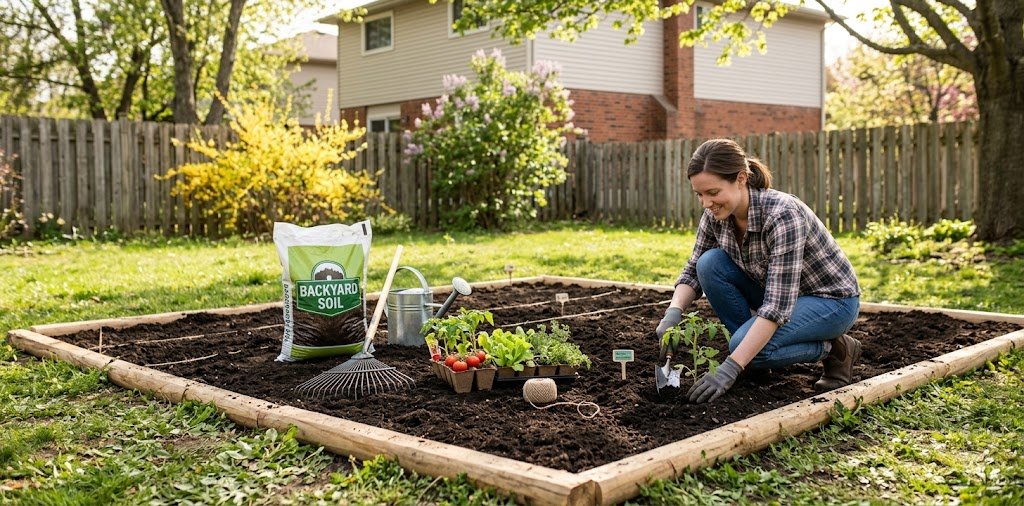
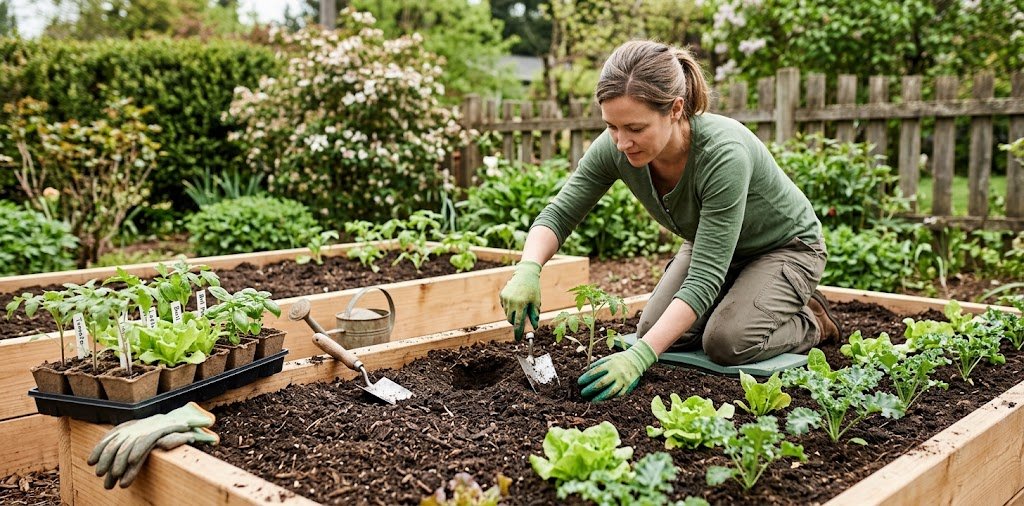
[…] Regular observation gives you a chance to correct small problems before they become major ones. For more on feeding, watering rhythms, and troubleshooting once your plants are established, see our complete guide on how to grow vegetables at home. […]
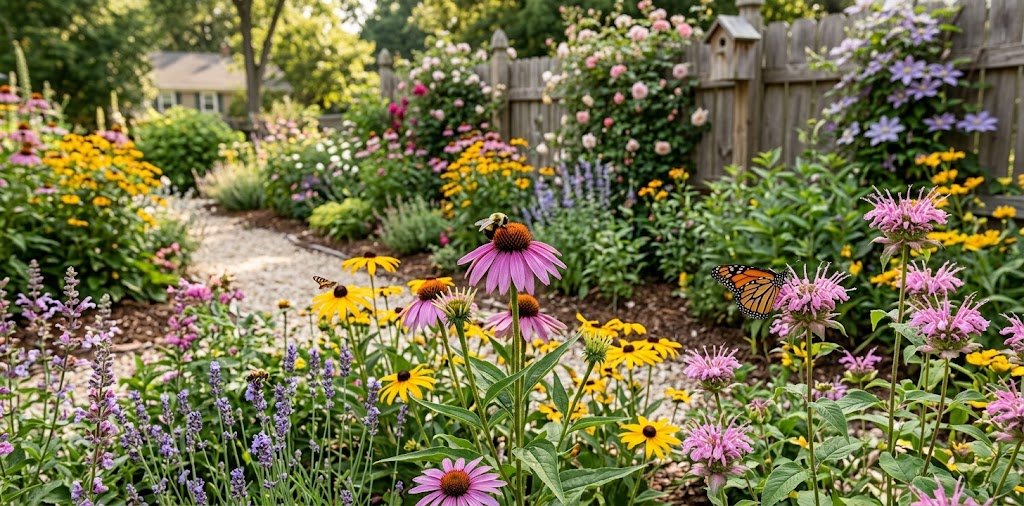
[…] wildlife-friendly gardening. If you’re still setting up your vegetable beds, our guide on how to grow vegetables at home covers crop selection and layout in more […]