
Starting a backyard garden can turn an unused part of your yard into a productive space for fresh vegetables, herbs, flowers, and other plants. You do not need a large property or years of gardening experience to get started. With the right location, suitable soil, a simple layout, and plants that match your growing conditions, you can create a garden that is easier to maintain and more productive.
If you are learning how to start a backyard garden, the most important thing is to avoid doing everything at once. A smaller, well-planned garden is usually easier for a beginner to manage than a large garden that quickly becomes difficult to water, weed, and maintain.
This guide explains how to plan your space, prepare the soil, choose plants, create your garden layout, and maintain your backyard garden from the beginning.
Decide What You Want to Grow
Before choosing a location or buying seeds, decide what type of garden you want. Your goal will influence the amount of space you need, the type of soil preparation required, and the amount of maintenance involved.
You may want to grow vegetables for fresh meals, flowers for landscaping, herbs for cooking, or a combination of different plants.
Vegetable Garden
A vegetable garden is a practical choice if your main goal is producing food. Beginners can start with vegetables such as lettuce, radishes, beans, cucumbers, peppers, tomatoes, and leafy greens.
Choose crops that your household actually eats. Growing vegetables simply because they are popular can waste space if you rarely use them.
Flower Garden
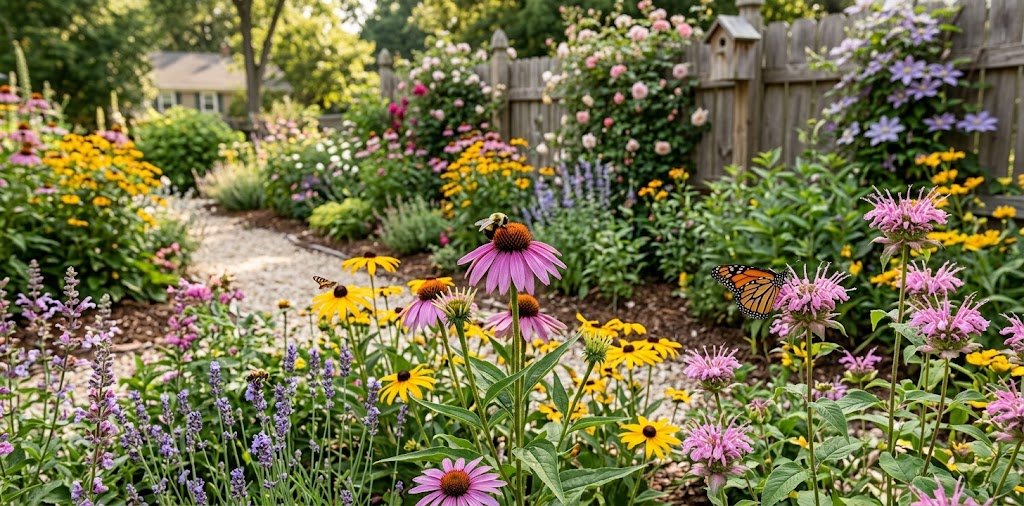
A flower garden can improve the appearance of your backyard while attracting pollinators. You can combine annual and perennial flowers to create seasonal color and long-term interest.
Consider the amount of sunlight available before choosing flowering plants because different varieties have different light requirements.
Food Garden
A food garden can combine vegetables, herbs, fruits, and edible flowers. This type of garden can be especially useful when you want to grow ingredients that you regularly use in cooking.
Start with a few productive crops rather than attempting to grow every type of food at once.
Choose the Right Location
The location is one of the most important decisions when learning how to start a backyard garden from scratch.
Look for an area that receives adequate sunlight, has good drainage, and is easy to reach. A garden that is close to your home is often easier to maintain because you are more likely to notice when plants need water, support, harvesting, or pest control.
Before preparing the ground, observe the area at different times of the day.
Check How Much Sunlight You Get
Most vegetables need several hours of direct sunlight each day. Fruiting plants such as tomatoes, peppers, cucumbers, and squash generally perform best in sunny locations.
Leafy vegetables can often tolerate somewhat less sunlight.
Do not judge sunlight based on one observation. A location that appears sunny in the morning may become shaded by a house, fence, tree, or other structure later in the day.
Check Drainage
Good drainage is essential for healthy roots.
If water remains in the proposed garden area long after rainfall, the soil may drain poorly. Constantly wet soil can cause root problems and make many vegetables difficult to grow.
Avoid placing your first garden in an area where water regularly collects unless you are prepared to correct the drainage problem.
Keep the Garden Accessible
Choose a location where you can easily reach the plants with a hose, watering can, wheelbarrow, or gardening tools.
Accessibility matters more than many beginners expect. You will need to visit the garden regularly to check plants, remove weeds, monitor pests, water crops, and harvest produce.
Choose Your Garden Type
There are several ways to create a backyard garden. Your existing soil, available space, budget, and gardening goals should determine which method works best.
| Garden Type | Best For | Main Benefit |
|---|---|---|
| In-ground garden | Larger yards | Uses existing ground space |
| Raised beds | Beginners and poor soil | Better control over growing soil |
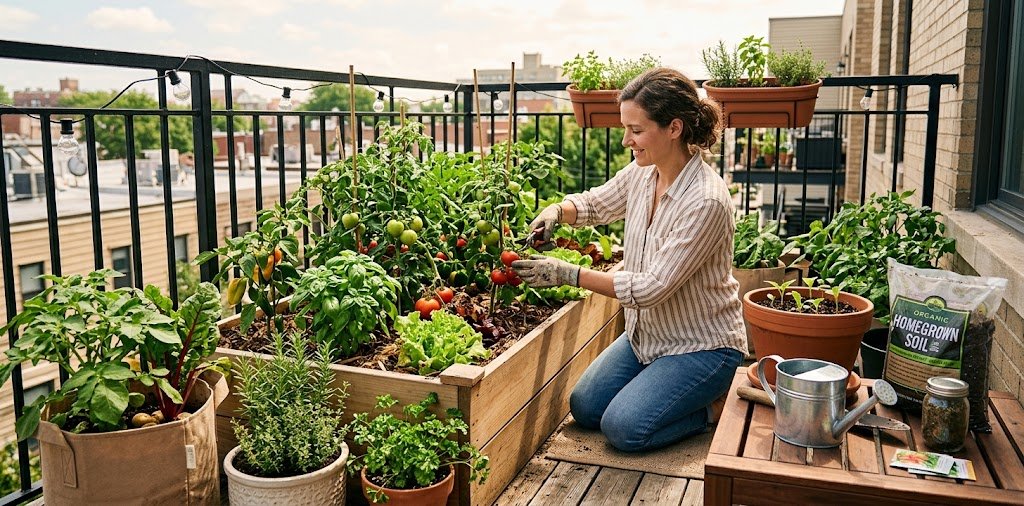
| Containers | Very small spaces | Flexible and easy to relocate |
| Vertical garden | Limited space | Uses upward growing space |
How to Start a Garden in Your Backyard in the Ground
If your yard has suitable soil and enough space, an in-ground garden can be one of the simplest approaches.
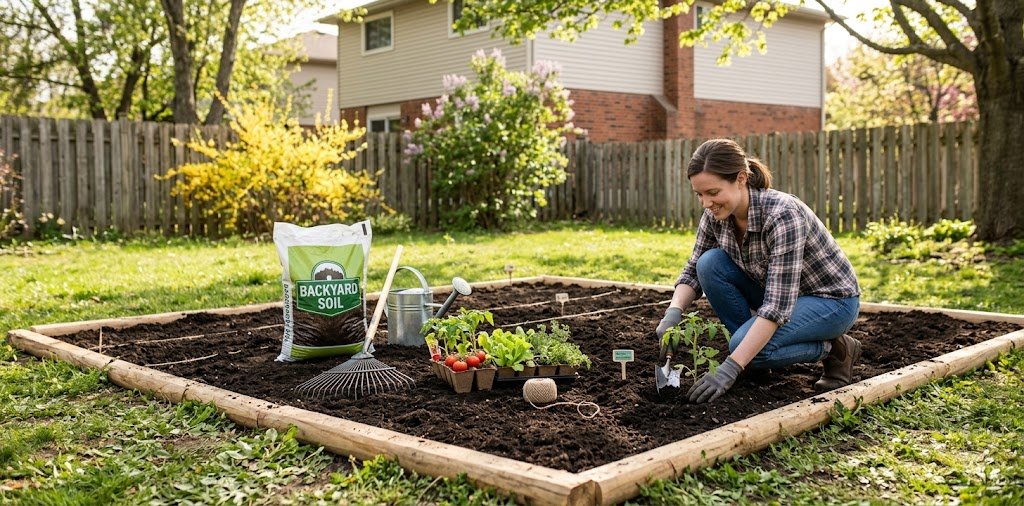
First mark the boundaries of your planting area. Remove grass, weeds, rocks, and other unwanted vegetation. Loosen the soil and improve it with suitable organic matter if necessary.
Avoid digging the entire backyard. Begin with a clearly defined area that you can realistically maintain.
When to Use Raised Beds
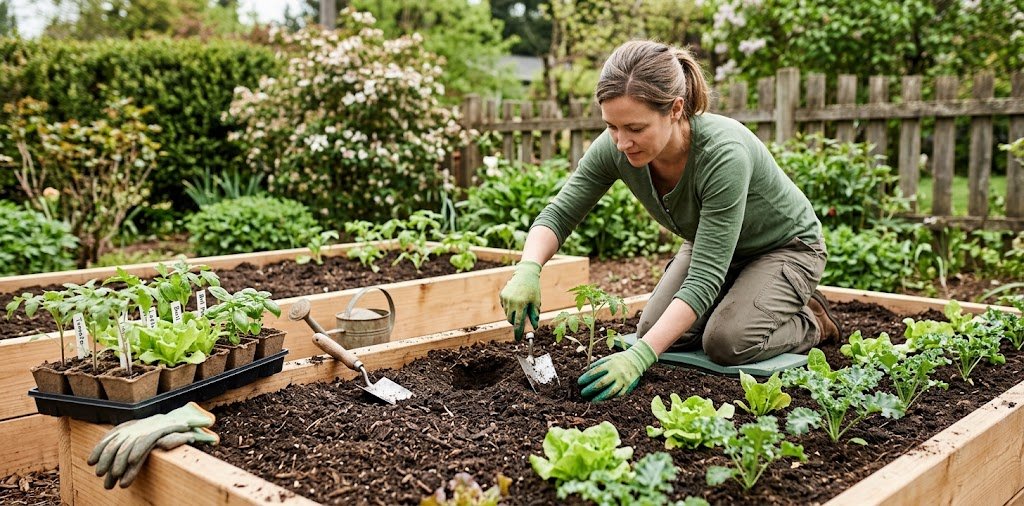
Raised beds are useful when the existing ground soil is compacted, poorly drained, or difficult to improve.
They allow you to bring in suitable growing soil and create clearly defined planting areas. They can also make garden organization easier.
Keep the beds narrow enough that you can reach the center without stepping on the growing soil.
Test and Prepare the Soil
Healthy soil provides plants with support, moisture, air, and nutrients. Before adding large amounts of fertilizer or amendments, it is useful to understand what your soil actually needs.
A soil test can provide information about nutrient levels and pH.
Improve the Soil With Organic Matter
Compost and other suitable organic materials can improve soil structure and help create a better environment for plant roots.
Do not assume that adding more fertilizer will always produce better growth. Excess nutrients can create problems just as nutrient deficiencies can.
Use soil amendments according to your soil condition and the requirements of the plants you plan to grow.
Remove Grass and Weeds
If you are converting part of a lawn into a garden, remove existing grass and persistent weeds before planting.
For a small area, you can remove the turf manually. Another option is to cover the vegetation and allow it to break down over time before preparing the planting area.
The important point is to establish a clean growing area before introducing your plants.
Plan Your Backyard Garden Layout
A simple garden plan can prevent many problems later.
Measure the available area and decide where the planting beds, pathways, water source, and permanent structures will go.
Do not fill every available inch with plants. You need enough space to walk through the garden and reach the plants.
Leave Room for Garden Paths
Paths make maintenance much easier.
You should be able to reach each planting area without stepping on the soil where plants are growing. Compacted soil can interfere with root development and drainage.
Use simple paths made from soil, mulch, gravel, stepping stones, or another suitable material.
Consider Mature Plant Size
One of the most common mistakes beginners make is planting young plants too close together.
A seedling may look tiny when you plant it, but many vegetables become much larger during the growing season.
Check the expected mature size of each plant and follow appropriate spacing recommendations.
Choose Plants for Your Growing Conditions
The best plants for your garden depend on your climate, growing season, sunlight, soil, and available space.
When learning how to start a backyard garden for beginners, avoid choosing plants solely because they look attractive at the garden center.
Choose varieties that are suitable for your local conditions.
Select Beginner-Friendly Vegetables
If your goal is to learn how to start a vegetable garden in your backyard, begin with a manageable number of crops.
Good options may include:
- Lettuce
- Radishes
- Beans
- Cucumbers
- Tomatoes
- Peppers
- Herbs
- Leafy greens
Your local climate should determine which crops are planted and when.
Choose Plants You Will Actually Use
A productive garden is more valuable when the harvest fits your lifestyle.
If you frequently cook with herbs, dedicate some space to herbs. If your family eats tomatoes regularly, give them more room.
This approach makes gardening more rewarding and reduces wasted space.
How to Start a Small Vegetable Garden in Your Backyard Step by Step
A small vegetable garden can be easier to manage than a large one. You can focus your time and resources on a limited number of crops.
Follow these basic steps:
- Choose a sunny location.
- Measure the available space.
- Decide whether to use in-ground soil, raised beds, or containers.
- Remove grass and weeds.
- Test the soil if necessary.
- Add suitable organic matter.
- Create simple pathways.
- Select vegetables suitable for your climate.
- Follow recommended planting depths and spacing.
- Water the plants consistently.
- Monitor weeds, pests, and diseases.
- Harvest crops at the appropriate stage.
Do not feel pressured to grow ten or twenty different vegetables during your first season. A few healthy crops can provide valuable gardening experience.
How to Start a Small Garden in Your Backyard
Small gardens require efficient use of available space.
Instead of spreading plants across a large area, concentrate on productive crops and use vertical space where possible.
Grow Vertically
Climbing vegetables such as beans and cucumbers can be trained onto trellises or other suitable supports.
Vertical gardening can free up ground space and improve airflow around some plants.
Make sure the support is strong enough to hold mature plants and their produce.
Use Succession Planting
Succession planting means replacing a harvested crop with another suitable crop during the same growing season.
For example, after harvesting a fast-growing crop, you may have enough time to plant another suitable vegetable.
This allows a small garden to remain productive for longer.
How to Start a Flower Garden in Your Backyard
If flowers are your main goal, start by identifying the amount of sunlight your planting area receives.
Then choose flowers that match those conditions.
Combine Different Heights
Use taller plants toward the back or center and shorter plants toward the front where appropriate.
This arrangement can create a more balanced appearance while ensuring smaller plants are not unnecessarily hidden.
Consider Blooming Seasons
Choose plants with different flowering periods if you want color throughout more of the growing season.
Combining plants with different heights, textures, colors, and flowering times can make the garden look more dynamic.
Plan Your Watering System
Water is essential, but more water does not necessarily mean healthier plants.
Before planting, determine how you will deliver water to the garden.
A nearby hose may be sufficient for a small garden. Larger gardens may benefit from a more organized irrigation system.
Water According to Plant Needs
Water requirements vary according to plant type, soil, temperature, rainfall, and growth stage.
Instead of following a rigid watering schedule, check the soil and observe the plants.
Newly planted seeds and seedlings may require more frequent attention while they establish roots.
Avoid Constantly Wet Soil
Overwatering can create conditions that encourage root problems and certain plant diseases.
Good soil structure and drainage are therefore just as important as providing enough water.
Add Mulch Around Plants
Mulching can reduce weed growth and help soil retain moisture.
Organic mulch can include suitable materials such as shredded leaves, clean straw, or other appropriate garden materials.
Keep mulch slightly away from plant stems to reduce the risk of excessive moisture around the base of the plant.
Mulch can also help protect the soil surface from excessive temperature changes and erosion.
Protect Your Garden From Pests
Garden pests are easier to manage when you notice them early.
Inspect plants regularly rather than waiting until severe damage appears.
Look at both the upper and lower surfaces of leaves and check new growth for insects or signs of disease.
Use Physical Protection When Necessary
Depending on your location, birds, rabbits, deer, insects, and other animals may damage plants.
Fencing, netting, row covers, and other physical barriers can provide protection without immediately relying on chemical treatments.
The best solution depends on the pest and the type of plant being protected.
Maintain Your Garden Regularly
Starting the garden is only the beginning. Consistent maintenance determines how well your plants perform.
Create a simple routine for:
- Checking soil moisture
- Removing weeds
- Inspecting leaves
- Supporting tall plants
- Harvesting mature produce
- Removing damaged plant material
- Checking irrigation
- Watching for pests
A few minutes of regular observation can help you identify problems before they become difficult to control.
Common Backyard Gardening Mistakes to Avoid
Beginners often make the same mistakes when establishing their first garden.
Starting With Too Much Space
A huge garden can quickly become overwhelming. Begin with an area that matches the time you have available.
Ignoring Sunlight
Plants cannot compensate for a location that does not provide enough light for their needs.
Planting Too Closely
Crowded plants compete for resources and can make maintenance more difficult.
Overwatering
More water is not always better. Allow the soil and plant requirements to guide your watering routine.
Choosing Too Many Crops
Growing a large variety of plants sounds exciting, but each crop has different needs. Start with a smaller selection.
Forgetting Future Growth
Always consider the mature size of plants, especially trees, shrubs, vines, and large vegetables.
A Simple First-Year Backyard Garden Plan
If you are still unsure how to start a backyard garden, keep your first project straightforward.
| Stage | Main Task |
|---|---|
| Planning | Choose your garden goal and size |
| Site selection | Check sunlight, drainage, and accessibility |
| Preparation | Clear vegetation and improve soil |
| Layout | Mark beds and pathways |
| Plant selection | Choose suitable crops and flowers |
| Planting | Follow spacing and depth requirements |
| Maintenance | Water, weed, inspect, and support plants |
| Harvest | Pick produce at the appropriate stage |
Keep a small gardening notebook throughout the season. Record planting dates, varieties, problems, weather conditions, and successful crops.
These notes can make your next growing season much easier because you will have your own experience to reference.
Frequently Asked Questions
What is the easiest way to start a backyard garden?
Start with a small, sunny area that has good drainage and convenient access to water. Prepare the soil, choose a few plants suited to your climate, and establish a simple maintenance routine.
How do I start a backyard garden from scratch?
Choose the location, remove grass and weeds, evaluate the soil, decide between in-ground or raised beds, create a layout, select suitable plants, and begin planting according to the appropriate season.
How much space do I need for a backyard garden?
You can start with a surprisingly small area. The ideal size depends on what you want to grow and how much time you have for maintenance. A smaller garden is often easier for beginners.
Can I start a vegetable garden directly in my backyard soil?
Yes. In-ground gardening can work well when the soil has suitable drainage and growing conditions. Test the soil and improve it when necessary before planting.
What vegetables should beginners grow?
Choose vegetables that suit your local growing conditions and that you regularly eat. Lettuce, radishes, beans, herbs, cucumbers, peppers, and tomatoes can be useful starting options when their growing requirements match your climate.
How often should I water a backyard garden?
There is no single watering schedule that works for every garden. Check soil moisture, weather conditions, plant size, and plant requirements before deciding when to water.
Is a raised garden better than an in-ground garden?
Neither is automatically better. Raised beds provide greater control over soil and drainage, while in-ground gardens can be simpler and less expensive when the existing soil is suitable.
Conclusion
Learning how to start a backyard garden does not require complicated equipment or advanced gardening skills. The most important steps are choosing an appropriate location, understanding your soil, planning a manageable layout, selecting plants suited to your growing conditions, and creating a routine for watering and maintenance.
Start small and focus on doing a few things well. A carefully planned vegetable bed, flower border, or combination garden can give you practical experience that makes future gardening projects easier. As you learn what works in your backyard, you can gradually expand the garden with additional crops, flowers, vertical supports, irrigation, and other features.
A successful backyard garden is built over time. Start with the space you can manage, pay attention to how your plants respond, learn from each growing season, and improve your garden with every planting.