

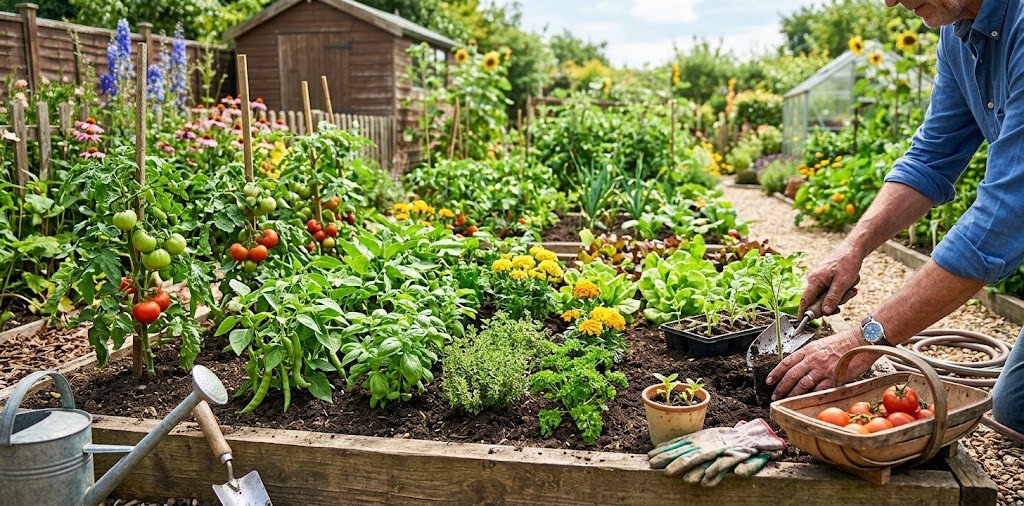
Planting is the easy part. Anyone can tuck a seedling into soil and feel proud for an afternoon. Growing a garden that actually thrives through the season is where most beginners either find their rhythm or quietly give up.
The good news is that growing a garden well comes down to a handful of habits, not some hidden talent. If you haven’t planted anything yet, start with our beginner’s guide on how to make a garden at home, then come back here once your plants are in the ground. Water at the right time, feed your plants properly, stay ahead of pests, and adjust as the seasons change. This guide walks through exactly how to do that, from the first few weeks after planting through harvest day.
Set Your Garden Up for Growth
Before getting into ongoing care, it helps to double check your foundation. Most growth problems that show up weeks later can be traced back to a setup issue nobody caught early on.
Confirm Sunlight and Soil Basics
Most vegetables and flowering plants need six to eight hours of direct sun daily. If your garden is getting less than that, plants may survive but rarely thrive, so it is worth confirming this before troubleshooting anything else.
Soil matters just as much. If your ground feels dense and compacted rather than loose and crumbly, mixing in compost now saves you frustration later in the season.
Space and Support Plants Correctly
Crowded plants compete for light, water, and nutrients, which slows everyone down. Most vegetables need two to three feet of breathing room to grow properly.
Taller plants like tomatoes, beans, and peas benefit from a stake or trellis installed early. Adding support after the plant has grown tall risks damaging roots that are already established.
Watering Your Garden the Right Way
Watering causes more confusion than almost any other part of gardening, and it is also the fastest way to lose a plant if done incorrectly. Getting this one habit right solves a surprising number of other problems.
How Much and How Often to Water
A general rule is about an inch of water per week, whether that comes from rainfall or your hose. Rather than sticking to a rigid schedule, check the soil about an inch or two below the surface and water when it feels dry.
Watering deeply and less often encourages roots to grow downward in search of moisture, which builds a stronger, more drought-tolerant plant. Watering early in the morning also reduces evaporation and gives leaves time to dry before evening.
Signs of Overwatering vs. Underwatering
Wilting leaves can mean either too much water or too little, which trips up a lot of beginners. Check the soil first before assuming your plant needs more water.
Yellowing lower leaves combined with soggy soil usually points to overwatering, while crispy, curling leaves with dry soil signal the opposite. Once you know which one you are dealing with, the fix is straightforward.
Feeding Your Plants the Right Nutrients
Fertilizing sounds more complicated than it needs to be. A basic understanding of a few nutrients goes a long way toward keeping your garden healthy through the season.
Understanding N-P-K in Simple Terms
Every fertilizer label lists three numbers representing nitrogen, phosphorus, and potassium. Nitrogen supports leafy green growth, phosphorus helps roots and flowers develop, and potassium strengthens overall plant health and disease resistance.
Leafy vegetables like lettuce benefit from a nitrogen-heavy feed, while flowering and fruiting plants like tomatoes do better with balanced or phosphorus-forward options. Checking the label before buying saves you from feeding the wrong nutrient to the wrong plant.
Organic vs. Synthetic Fertilizers
Organic options like compost, aged manure, and fish emulsion release nutrients slowly and improve soil structure over time. They are forgiving for beginners since overfeeding is less of a risk.
Synthetic fertilizers act faster but require more careful measuring, since overuse can burn roots or push excessive leaf growth at the expense of flowers and fruit. Either option works well as long as you follow the instructions on the package.
Weeding and Mulching for a Healthier Garden
Weeds compete directly with your plants for water, nutrients, and light, so staying ahead of them matters more than most beginners expect. Pulling weeds while they are small takes a fraction of the effort compared to letting them establish.
A two to three inch layer of mulch around your plants suppresses new weeds while also holding moisture in the soil. It is one of the lowest-effort habits that pays off the most over a full season.
Protecting Your Garden From Pests and Disease
Pest problems feel alarming the first time you spot them, but most are manageable if you catch them early. A quick walk through your garden every few days is usually enough to stay ahead of trouble.
Natural Pest Control Methods
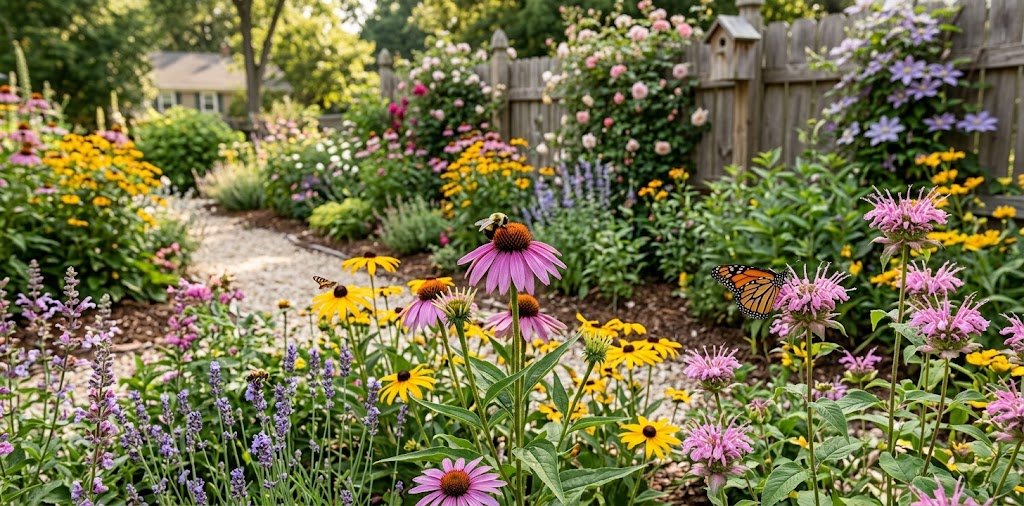
Encouraging beneficial insects like ladybugs is one of the simplest ways to keep pest populations in check without chemicals. Planting a mix of herbs and flowers alongside vegetables also helps, since diversity naturally discourages large pest outbreaks.
Handpicking larger pests off leaves works surprisingly well for small gardens, and a diluted soap spray handles most soft-bodied insects like aphids. Rotating where you plant certain crops each year also reduces pest buildup in the soil.
Spotting Common Plant Diseases Early
Discolored spots, powdery coating on leaves, or sudden wilting are usually the first signs something is off. Removing affected leaves quickly and improving airflow around the plant often stops the spread before it becomes serious.
Watering at the soil level rather than overhead keeps leaves drier, which prevents many fungal issues before they start.
Caring for Your Garden Season by Season
A garden’s needs shift as the year moves along, and planning for those shifts ahead of time keeps you from scrambling when the weather changes.
Spring and Summer Care
Spring is planting season for cool-weather crops like lettuce, peas, and radishes, followed by warm-season plants like tomatoes and peppers once frost danger has passed. Summer shifts the focus toward consistent watering, regular harvesting, and staying on top of weeds before the heat accelerates their growth.
Fall and Winter Prep
As temperatures cool, it is time to plant late-season crops like kale and garlic while clearing out spent summer plants. In colder climates, adding mulch or a cover crop protects your soil through winter and sets you up for an easier start next spring.
How to Harvest for the Best Flavor and Yield
Harvesting at the right moment makes a bigger difference in flavor than most beginners realize. Leafy greens taste best when picked young, using the outer leaves first so the plant keeps producing.
Fruiting vegetables like tomatoes and peppers should come off the plant once fully colored but still firm. Harvesting in the cooler morning hours also preserves crispness and flavor better than picking during the heat of the day.
Staying consistent with harvesting matters too, since leaving ripe produce on the plant too long often signals it to stop producing altogether.
How True Homely Supports Your Growing Journey
Growing a garden well is less about knowing everything upfront and more about having reliable guidance when questions come up along the way. True Homely was built around that exact idea, helping people care for the spaces they live in with practical, unfussy advice.
Our home and living resources cover the ongoing side of gardening too, from seasonal care reminders to simple troubleshooting when something in the garden looks off. If you want a resource that grows alongside your garden rather than one you read once and forget, that is exactly what we aim to be.
Troubleshooting Common Growing Problems
Yellowing leaves usually point to overwatering or a nitrogen deficiency. Check soil moisture first, then consider a light feeding if the soil checks out fine.
Leggy or weak stems often mean the plant is stretching toward insufficient light. Moving containers to a sunnier spot or thinning out crowded plants usually resolves this.
Plants not flowering or fruiting can result from too much nitrogen, which pushes leaf growth at the expense of blooms. Switching to a phosphorus-forward fertilizer typically helps.
Slow or stunted growth is frequently tied to compacted soil or inconsistent watering. Loosening the soil and establishing a steady watering rhythm often gets things back on track.
FAQs
How do I grow a garden step by step?
Start with the right sunlight and healthy soil, water consistently based on how dry the ground feels, feed your plants according to their needs, and stay ahead of weeds and pests through regular checks.
How often should I water my garden?
Aim for about an inch of water per week, adjusted based on rainfall and heat. Check the soil directly rather than following a fixed schedule.
How do I fertilize my garden naturally?
Compost, aged manure, and fish emulsion all work well as organic fertilizers. They release nutrients gradually and are more forgiving than synthetic options for beginners.
What’s the best way to keep pests out of a garden?
Encourage beneficial insects, mix herbs and flowers among your vegetables, and handpick larger pests when you spot them. Catching problems early keeps them from spreading.
How do I know when to harvest vegetables?
Leafy greens are best picked young using outer leaves first, while fruiting vegetables like tomatoes should be harvested once fully colored but still firm. Morning harvesting preserves the best flavor.
Why aren’t my garden plants growing well?
Common causes include insufficient sunlight, inconsistent watering, compacted soil, or a nutrient imbalance. Checking each of these one at a time usually reveals the issue.
How do I care for a garden through the seasons?
Plant cool-season crops in spring, focus on watering and harvesting through summer, transition to late-season crops in fall, and protect your soil with mulch or cover crops in winter.
Can I grow a garden without a lot of maintenance?
Choosing low-maintenance plants, mulching to suppress weeds, and setting up a consistent watering routine all reduce the time a garden demands while still producing well.
Keep Growing
A thriving garden rarely comes from doing everything perfectly. It comes from paying attention, adjusting when something looks off, and building small habits that compound over a full season.
Watch your plants, respond to what they need, and the rest tends to follow.

[…] or turn into bigger problems. Once you’re past the first month, our complete guide on how to grow a garden covers the watering, feeding, and pest-control routine that keeps things thriving […]