

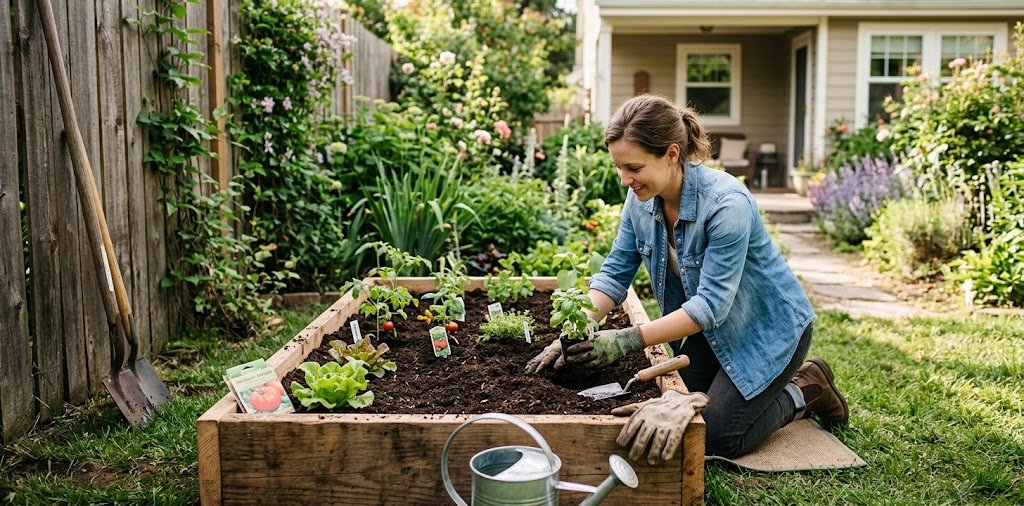
A garden does not need acres of land or a green thumb passed down through generations. It needs a bit of sunlight, some decent soil, and a plan you can actually stick to. Whether you have a backyard, a balcony, or a single sunny windowsill, you can turn that space into something that grows.
This guide walks through the whole process, from picking a spot to keeping your plants alive well past the first month. No fluff, no jargon you need a dictionary for. Just the steps that work.
Choose the Right Spot for Your Garden
Every garden starts with light. Before you buy a single seed packet, spend a few days simply watching your space. Notice where the sun lands in the morning, where it disappears by afternoon, and which corners stay shaded all day.
Most vegetables and flowering plants need at least six hours of direct sunlight. Leafy greens and herbs are more forgiving and can manage with a bit less. If your space gets partial shade, that is not a dealbreaker, it just narrows your plant choices.
How to Map Sunlight in Your Space
Grab a notebook and check your garden spot every couple of hours over a single day. Jot down when the sun hits and when it fades. If that sounds like too much tracking, a sun-mapping app on your phone can do the same job in a fraction of the time.
This one exercise saves more failed gardens than any other single step. Plants placed in the wrong light rarely thrive, no matter how good the soil is.
In-Ground vs. Raised Bed vs. Containers
Once you know your light, the next decision is how you will actually plant. Each option has a different cost, effort level, and payoff, so it helps to weigh them side by side.
| Type | Best For | Effort | Rough Cost |
|---|---|---|---|
| In-ground | Yards with decent existing soil | Low setup, more soil prep | $50 to $150 |
| Raised bed | Poor soil, better drainage control | Moderate setup | $150 to $500 |
| Containers | Patios, balconies, renters | Low setup, easy to move | $30 to $200 |
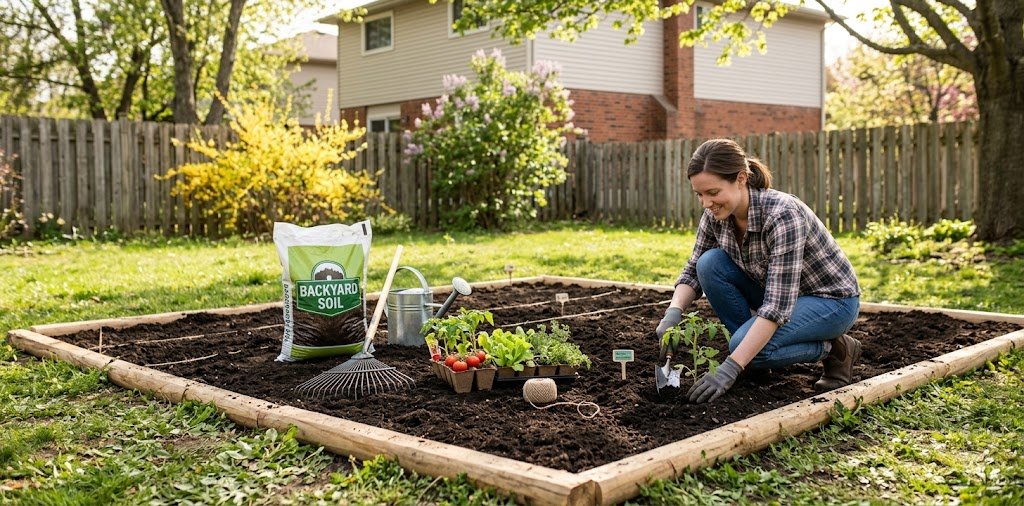
In-ground gardening is the cheapest way to start if your yard soil is workable. Raised beds cost more upfront but save you from wrestling with rocky or compacted ground. Containers are the most flexible option and the easiest to undo if a spot does not work out.
No Yard? Balcony, Patio, and Windowsill Options
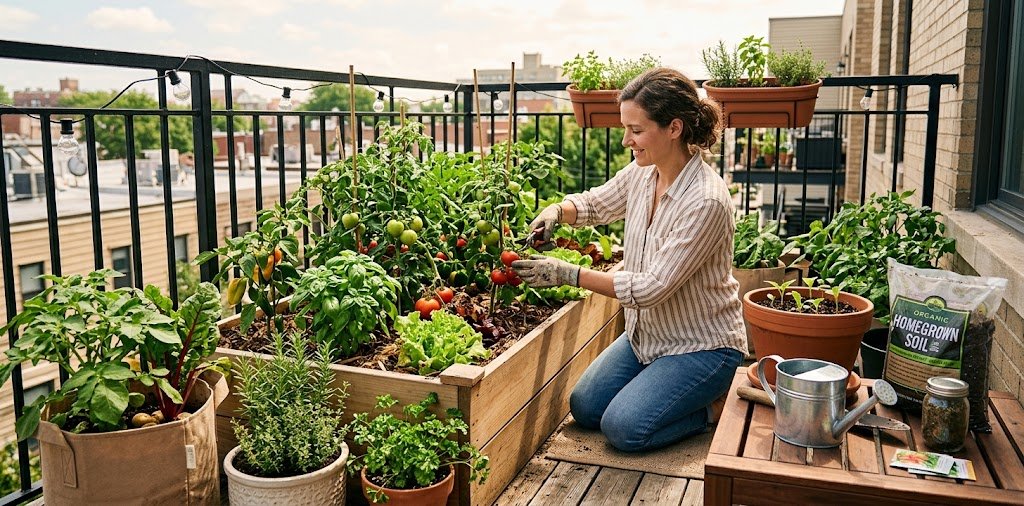
A missing yard is not a missing garden. Herbs like basil, mint, and parsley grow happily in a sunny windowsill. Cherry tomatoes, lettuce, and peppers do well in pots on a balcony or a small patio.
Vertical space counts too. A wall-mounted planter or a simple hanging basket can turn a narrow strip of concrete into a productive little garden.
Plan Your Garden Layout
Before any digging happens, sketch your space on paper. It does not need to be neat, it just needs to show where the sun falls, where water is closest, and roughly how much room you have to work with.
Sizing Your First Garden
The biggest mistake new gardeners make is going too big too fast. A 4×4 or 4×8 raised bed, or a handful of containers, is plenty for a first season.
Start with three to five plants you actually enjoy eating or looking at. You can always expand once you know what your schedule and space can realistically handle.
Build Healthy Soil
Soil is the part beginners tend to rush, and it is the part that determines almost everything else. Healthy soil holds moisture, feeds your plants, and resists disease better than any fertilizer can fix after the fact.
Testing and Improving Your Existing Soil
A simple squeeze test tells you a lot. Grab a handful of damp soil and squeeze it. If it crumbles apart easily, you are in good shape. If it forms a dense, sticky ball, it likely needs organic matter mixed in.
Working a few inches of compost into your existing soil before planting improves structure and nutrients without much extra cost.
Making Simple Compost at Home
Composting sounds more technical than it is. At its core, it is just layering “greens” like food scraps and grass clippings with “browns” like dry leaves and cardboard, then letting nature do the rest.
Keep the pile slightly moist, turn it every week or two, and in a few months you will have rich, dark compost ready to feed your garden for free.
Buying vs. Making Potting Mix for Containers
Container plants need a lighter mix than garden soil, since they rely entirely on what is in the pot. A quality bagged potting mix is usually the easiest route for beginners, while more experienced gardeners often blend their own using compost, coconut coir, and perlite.
Choose What to Plant
Picking plants that match your space and skill level makes the difference between a garden that thrives and one that quietly gives up by July.
Easiest Vegetables, Herbs, and Flowers for Beginners
Lettuce, radishes, green beans, and zucchini are forgiving for first-time growers. Herbs like basil, thyme, and mint are nearly impossible to mess up. Marigolds and petunias add color while also helping keep pests away from nearby vegetables.
Choose a handful of plants rather than one of everything. It keeps watering and care manageable while you learn.
Matching Plants to Your Climate Zone and Frost Dates
Cool-season crops like lettuce and peas can go in early, while warm-season plants like tomatoes and peppers need to wait until after the last frost. Checking your local frost date before planting saves you from losing seedlings to a late cold snap.
Gather Your Tools and Materials
You do not need a shed full of equipment to get started. A handful of reliable tools will carry you through your first several seasons.
Essential Beginner Toolkit
A trowel, a pair of gloves, pruning shears, a watering can, and a basic rake cover most early tasks. If you are building a raised bed or working larger ground, add a shovel and a garden fork to the list.
What a Home Garden Really Costs
Costs vary widely depending on setup type, but a modest first garden typically lands somewhere between 50 and 300 dollars. In-ground beds tend to be the most budget-friendly, while raised beds and elaborate container setups push costs higher.
Spending a bit more on quality tools and a proper soil test upfront tends to save money later, since it prevents wasted seed and repeat purchases.
Planting Your Garden Step by Step
With soil ready and plants chosen, it is time to actually get things in the ground. Seeds and transplants each have their own rhythm.
Sowing Seeds vs. Transplanting Seedlings
Seeds are cheaper and offer more variety, but they take longer to mature. Seedlings give you a head start and are more forgiving for beginners who want quicker results.
For seedlings, dig a hole slightly larger than the root ball, settle the plant at the same depth it was growing in its container, and water generously right after planting.
Spacing, Depth, and Support
Most plants need two to three feet of space to grow properly, so resist the urge to crowd them in. Taller plants like tomatoes and beans benefit from a stake or trellis put in place early, before the roots get established and disturbed.
Caring for Your Garden in the First 30 Days
The weeks right after planting matter more than most people expect. This is when small mistakes either get corrected or turn into bigger problems. Once you’re past the first month, our complete guide on how to grow a garden covers the watering, feeding, and pest-control routine that keeps things thriving long-term.
Watering Rhythm for New Plants
A general rule is about an inch of water per week, adjusted for rainfall and heat. Check the soil about half an inch below the surface, and water again once it feels dry rather than sticking to a rigid schedule.
Spotting and Preventing Common Pests
Check leaves regularly for chewed edges, discoloration, or clusters of insects. Catching problems early, before they spread, usually means a simple fix rather than losing the whole plant.
Weeding, Thinning, and Feeding
Pull weeds while they are small and easy to remove. Thin out crowded seedlings so the strongest ones have room to grow, and feed container plants regularly since their nutrients deplete faster than garden soil.
How True Homely Makes Starting a Garden Easier
Getting a garden off the ground is easier with the right guidance close at hand. True Homely was built around exactly this idea, helping people turn ordinary living spaces into ones that feel cared for, whether that means a cozy reading corner or a thriving patch of herbs on the windowsill.
Our home and living guides walk through the small decisions that make a real difference, like choosing containers that fit tight spaces or building a soil routine that does not eat up your weekends. If gardening is your next home project, our resources are there to make the process feel less overwhelming and a lot more doable.
Common Beginner Mistakes to Avoid
Overwatering is more common, and more damaging, than underwatering. Soggy roots invite disease faster than a dry stretch ever will.
Planting too much too soon is another frequent misstep. A packed garden that gets neglected produces less than a small one that gets consistent care.
Skipping the sunlight check is the mistake that quietly undoes everything else. Even great soil and good plant choices cannot make up for a spot that simply does not get enough light.
FAQs
How do I start a garden for complete beginners?
Pick a sunny spot, start small with three to five easy plants, and build your soil with compost before planting. Growing your skills alongside a manageable garden beats overcommitting from day one.
What is the best soil for a home garden?
Loose, crumbly soil rich in organic matter works best. Mixing compost into your existing ground, or using a quality potting mix for containers, gets you most of the way there.
How many hours of sunlight does a garden need?
Most vegetables and flowers need six to eight hours of direct sun daily. Leafy greens and herbs can manage with somewhat less.
What is the cheapest way to start a garden at home?
Planting directly in the ground, using your existing soil improved with compost, keeps costs low. Containers made from reused items also cut expenses significantly.
Can I grow a garden without a yard?
Yes. Herbs, lettuce, cherry tomatoes, and peppers all grow well in containers on a balcony, patio, or sunny windowsill.
What are the easiest vegetables to grow first?
Lettuce, radishes, green beans, and zucchini are known for being forgiving and fast to establish for new gardeners.
How often should I water a new garden?
Aim for about an inch per week, but check the soil directly rather than following a fixed schedule. Water when it feels dry just below the surface.
Should I use raised beds or plant directly in the ground?
Raised beds make sense if your existing soil is poor or drains badly. In-ground planting is simpler and cheaper if your soil is already workable.
How do I make compost for my garden?
Layer food scraps and yard waste with dry material like leaves or cardboard, keep it slightly moist, and turn it every week or two until it breaks down into rich compost.
How much does it cost to start a home garden?
A modest first garden typically costs between 50 and 300 dollars, depending on whether you choose in-ground planting, raised beds, or containers.
Ready to Grow
A garden is less about getting everything perfect and more about starting somewhere and adjusting as you go. Pick your spot, build your soil, choose a few plants you will actually enjoy, and let the rest come with practice.
Every experienced gardener started with a single pot or a small patch of dirt. Yours can start today.

[…] hidden talent. If you haven’t planted anything yet, start with our beginner’s guide on how to make a garden at home, then come back here once your plants are in the ground. Water at the right time, feed your plants […]
[…] For more on getting a garden space ready before adding pollinator-friendly plants, see our guide on how to make a garden at home. […]