
If you want healthier plants, better vegetable production, and a more active outdoor space, learning how to attract pollinators to garden areas is a great place to start. Bees, butterflies, moths, hoverflies, beetles, hummingbirds, and other pollinating animals help move pollen between flowers, supporting the production of fruits and seeds.
At TrueHomely, we believe a successful home garden should be practical, productive, and enjoyable. Creating a pollinator-friendly garden can help you achieve all three while providing useful habitat for beneficial insects.
You do not need a large backyard to make a difference. A vegetable patch, flower bed, balcony, patio container, or greenhouse can become a valuable food and shelter source when it is planned correctly.
The goal is not simply to plant a few colorful flowers. A well-designed pollinator garden provides nectar, pollen, water, shelter, nesting areas, and flowers throughout different parts of the growing season.
Why Pollinators Are Important in a Home Garden
Pollinators play an important role in plant reproduction. When they move from one flower to another, they can transfer pollen and help plants produce seeds and fruit.
This matters particularly in productive gardens. Crops such as squash, cucumbers, pumpkins, berries, and many fruiting plants can benefit from effective pollination.
Pollinator-friendly gardening also goes beyond feeding adult insects. Different species have different requirements for nesting, shelter, breeding, and overwintering.
For example, some native bees nest in soil, while others use hollow stems or existing cavities. Butterflies need nectar plants as adults but also require suitable host plants for their caterpillars.
That is why a successful garden should provide several types of habitat instead of concentrating on flowers alone.
How to Attract Pollinators to Your Garden
The best approach combines several simple gardening practices. Start by choosing suitable flowering plants, then build around them with water, shelter, nesting opportunities, and safer maintenance habits.
Choose Flowers With Different Shapes
Not every pollinator feeds on flowers in the same way. Some insects can easily reach open flowers, while others are better suited to tubular blooms.
A diverse planting can therefore support a wider range of visitors.
Consider combining:
- Flat, open flowers
- Daisy-shaped blooms
- Tubular flowers
- Small clustered flowers
- Tall and short flowering plants
- Plants with different bloom periods
Flower color can also contribute to attracting different visitors, but flower shape, accessibility, nectar, pollen, and seasonal availability are equally important.
Include Native Plants
Native plants are especially valuable because they are adapted to local growing conditions and can have established relationships with native wildlife.
Rather than filling the entire garden with one type of plant, combine regionally appropriate native species with other well-suited flowering plants.
Before purchasing plants, consider your local climate, soil type, sunlight, water requirements, and growing season.
This approach also makes your garden more resilient because you are choosing plants that are already suited to the conditions they will experience.
Create Flowers for Different Seasons
One of the biggest mistakes in pollinator gardening is creating a garden that blooms heavily for a few weeks and then stops producing flowers.
Pollinators need food throughout the growing season.
Instead of choosing plants that all bloom at the same time, create a sequence of early-, mid-, and late-season flowers.
| Season | Example plants |
|---|---|
| Early season | Crocus, willow, redbud |
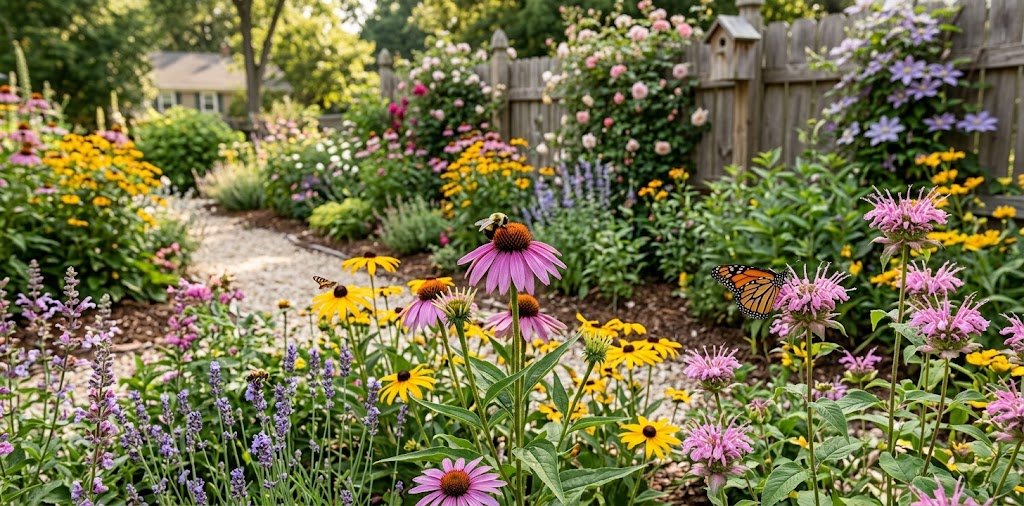
| Mid-season | Bee balm, lavender, coneflower, sunflower |
| Late season | Asters, goldenrod, late-blooming herbs |
The exact choices should depend on your local climate.
The objective is simple: when one group of flowers begins fading, another should be preparing to bloom.
This creates a more consistent food supply and makes the garden more useful over a longer period.
Plant Flowers in Groups
Scattering individual plants throughout a large yard may look attractive, but groups of the same plant can make a stronger and more efficient feeding area for visiting insects.
Instead of planting one flower in several unrelated locations, consider creating small clusters.
Groups of three, five, or more plants can work particularly well when space permits.
You can repeat these groups throughout larger beds to create a continuous flowering pathway.
This also improves garden maintenance because plants with similar sunlight, soil, and watering requirements can be managed together.
How to Attract Pollinators to a Vegetable Garden
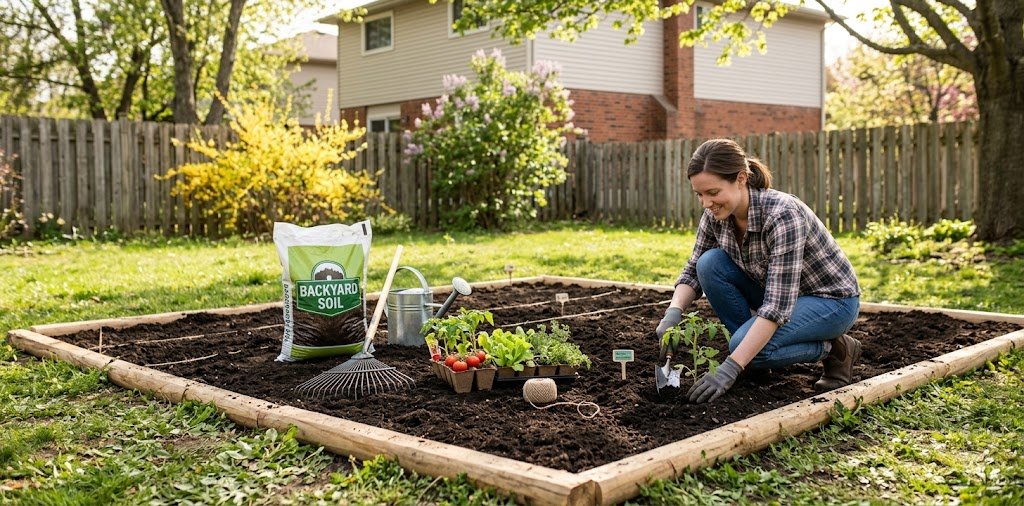
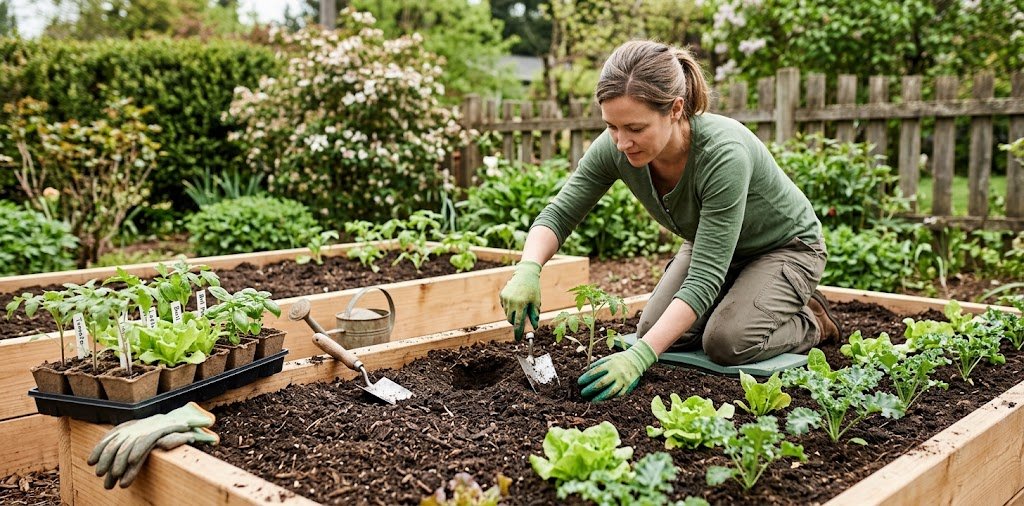
If you are wondering how to attract pollinators to vegetable garden spaces, you do not necessarily need a separate flower garden.
Flowers can be integrated directly into vegetable beds, borders, pathways, and surrounding planting areas.
This is especially useful for gardeners who want to combine food production with wildlife-friendly gardening. If you’re still setting up your vegetable beds, our guide on how to grow vegetables at home covers crop selection and layout in more depth.
Plant Flowers Near Vegetables
Some useful flowers to attract pollinators to vegetable garden areas include:
- Sunflowers
- Zinnias
- Cosmos
- Coneflowers
- Bee balm
- Borage
- Lavender
- Marigolds
Flowering herbs can also serve two purposes. You can harvest them for cooking and allow some plants to flower when you want to provide additional food for pollinators. For the full planting process of your vegetable beds, see our guide on how to plant a veggie garden.
Consider allowing selected plants such as dill, oregano, basil, rosemary, and lavender to reach the flowering stage.
Create a Flower Border
A flower border around vegetable beds can make your garden more attractive while providing additional forage.
You can use flowering plants along the edge of your vegetable plot or create a narrow pollinator strip between growing areas.
For gardeners following broader home gardening ideas, this approach can also help divide different areas of the yard into functional zones.
For more on getting a garden space ready before adding pollinator-friendly plants, see our guide on how to make a garden at home.
Add Butterfly Host Plants
Attracting adult butterflies is only one part of creating butterfly habitat.
Adult butterflies need nectar, but caterpillars need host plants where they can feed and develop.
For example, milkweed supports monarch caterpillars, while plants in the carrot family can support swallowtail caterpillars.
This means some leaf damage may actually be a positive sign.
Before removing a caterpillar or treating damaged foliage, identify what is causing the damage. A few holes in leaves may be evidence that your garden is supporting the next generation of butterflies.
A good pollinator garden should therefore contain both nectar plants for adults and host plants for developing larvae.
Provide a Safe Water Source
Flowers provide food, but pollinators also need moisture.
You can create a simple water station using a shallow dish, saucer, or birdbath.
Avoid deep containers where insects can fall and drown. Instead, add pebbles, stones, or pieces of rough material that allow insects to land safely while drinking.
Keep the water clean and refresh it regularly, particularly during hot weather.
You do not need an expensive water feature. A small, properly maintained source can be enough for a home garden.
Create Nesting and Shelter Areas
If your goal is how to attract more pollinators to my garden, think beyond flowering plants.
Pollinators also need safe places to nest, rest, hide, and overwinter.
Depending on the species, useful habitat can include:
- Bare patches of well-drained soil
- Hollow plant stems
- Dead wood
- Fallen leaves
- Dense grasses
- Shrubs
- Small brush piles
You do not need to make your entire yard look wild.
Instead, designate a small section as a habitat area while keeping paths, patios, and main garden beds tidy.
Leave Some Plant Material During Winter
Removing every dead stem and fallen leaf immediately can eliminate potential shelter for overwintering insects.
Where practical, leave selected stems and natural debris in place until the appropriate time for spring cleanup.
This small change in maintenance can turn an otherwise decorative garden into a more useful habitat.
How to Attract Pollinators to a Balcony Garden
A balcony can support pollinators even without a traditional garden bed.
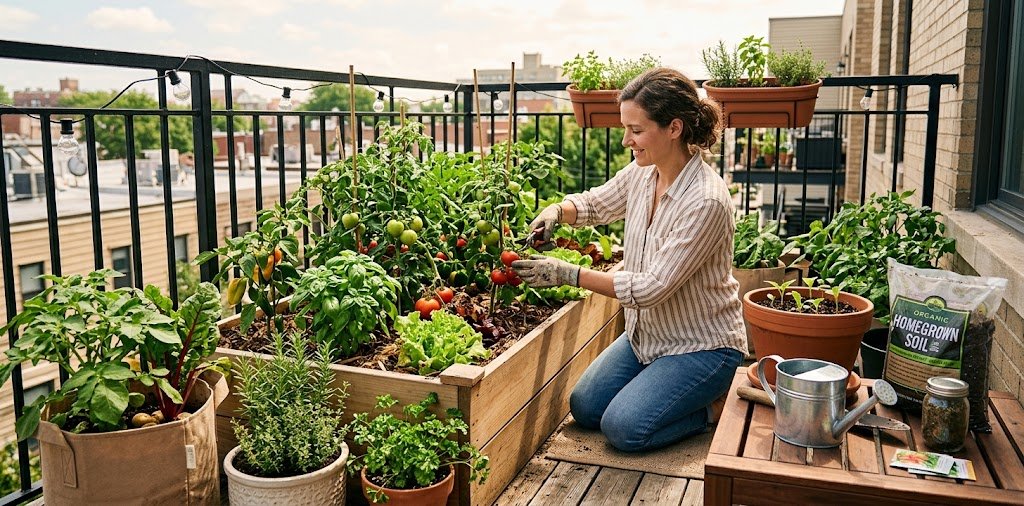
For how to attract pollinators to balcony garden spaces, use several containers rather than relying on one large planter.
Choose plants according to the amount of sunlight your balcony receives.
Group Containers Together
Grouping flowering pots makes the area easier for visiting insects to find.
You can combine:
- Flowering annuals
- Compact native plants
- Flowering herbs
- Small shrubs where space allows
- A shallow water container
Wind can be a challenge on exposed balconies, so position containers where they receive adequate sunlight while getting some protection from excessive wind.
Always make sure containers are stable and appropriate for your balcony structure.
The same principles apply when considering how to attract pollinators to balcony spaces using window boxes, patio containers, or small raised planters.
How to Attract Pollinators to a Greenhouse
Greenhouses require a slightly different strategy because their enclosed structure can limit access for natural pollinators.
If you are researching how to attract pollinators to greenhouse crops, first determine whether the plants actually require animal pollination.
Some crops can self-pollinate, while others benefit from insect activity.
Where appropriate, provide safe access for naturally occurring pollinators when environmental conditions allow.
Avoid overcrowding the greenhouse with flowering plants. Your priority should remain healthy crop growth, airflow, disease prevention, and appropriate humidity.
For crops that require reliable pollination in controlled environments, commercial growers may use managed pollinators or manual pollination techniques.
Avoid Unnecessary Pesticide Use
A beautiful flower garden can still become a poor habitat if pesticides are used without considering their effect on beneficial insects.
Before treating an insect problem, identify the pest.
Not every insect on a plant is harmful. Some insects are predators that feed on garden pests, while others are important pollinators.
If treatment is necessary, follow the product label carefully and avoid spraying flowering plants while pollinators are actively visiting them.
Integrated pest management is a better starting point than automatically applying an insecticide.
Maintain Your Garden With Pollinators in Mind
Your regular gardening routine has a major impact on habitat quality. This ties closely into your regular maintenance routine see our complete guide on how to grow a garden for watering, feeding, and seasonal care.
Instead of removing every spent flower immediately, allow selected plants to continue producing seeds where appropriate.
Some seed heads provide food for wildlife, while stems can provide overwintering locations for insects.
You can also reduce mowing in a small section of your property and replace part of a conventional lawn with flowering plants or native vegetation.
The goal is not to stop maintaining your garden. It is to create a balance between a well-kept outdoor space and small areas where nature can function.
How to Attract Pollinators to Your Garden Naturally
If you want to know how to attract pollinators to your garden naturally, focus on creating the conditions pollinators actually need.
Plant diverse flowers, include native species, maintain blooms through multiple seasons, provide water, preserve nesting areas, and avoid unnecessary pesticide exposure.
You can also observe your own garden.
Watch which flowers receive the most visitors, which months have the highest activity, and which areas appear to be ignored.
Then use those observations when planning next season.
Your garden itself can become your best source of information.
Best Flowers for a Pollinator-Friendly Garden
There is no single flower that is best for every pollinator or climate.
A diverse collection is generally more useful.
Popular options include:
- Bee balm
- Coneflower
- Sunflower
- Zinnia
- Cosmos
- Asters
- Goldenrod
- Lavender
- Borage
- Flowering herbs
When selecting plants, consider more than appearance.
Look for species that:
- Suit your local climate
- Provide nectar or pollen
- Bloom at different times
- Work with your soil and sunlight
- Include native options
- Offer accessible flowers
Highly modified flowers with many layers of petals may sometimes make nectar and pollen more difficult for insects to reach, so prioritize functional flowers as well as attractive ones.
Common Pollinator Gardening Mistakes
Planting Only One Type of Flower
One flower variety can provide a large amount of food temporarily but may leave pollinators without resources during the rest of the season.
Choosing Plants Only for Appearance
A beautiful flower is not automatically a useful pollinator plant.
Consider its bloom time, accessibility, nectar, pollen, and suitability to your climate.
Removing Every Natural Plant
Some spontaneous plants can provide valuable food or habitat.
Identify plants before removing them.
Keeping the Garden Too Clean
Dead stems, leaves, bare soil, and small amounts of woody debris can provide habitat for insects.
Treating Every Insect as a Pest
Some insects are beneficial predators or pollinators.
Identify the problem before deciding on treatment.
A Simple Pollinator Garden Layout
You do not need a complicated landscape plan.
A simple arrangement can include taller plants at the back, medium-height flowering plants in the middle, and low-growing flowers toward the front.
You can place your water source near the edge and maintain a small natural habitat area nearby.
A practical layout might look like:
Back: Tall flowers and shrubs
Middle: Perennials and flowering herbs
Front: Low-growing flowers
Edge: Shallow water and habitat area
This arrangement creates different heights while keeping the garden accessible for observation and maintenance.
Frequently Asked Questions
What is the easiest way to attract pollinators?
Start with several flowering plants that bloom at different times. Then add water, shelter, and nesting habitat while avoiding unnecessary pesticide use.
What flowers attract bees and butterflies?
Bee balm, coneflowers, sunflowers, zinnias, cosmos, asters, lavender, and other suitable flowering plants can provide useful nectar or pollen. Choose plants that perform well in your climate.
Can a small garden attract pollinators?
Yes. Even a few containers, a balcony planter, or a small flower border can provide food and habitat when the plants are selected carefully.
What are good flowers to attract pollinators to a vegetable garden?
Sunflowers, zinnias, cosmos, coneflowers, bee balm, borage, lavender, and flowering herbs are useful options. Place them close to vegetable crops where practical.
Should I remove caterpillars from my plants?
Not automatically. Identify them first. Some caterpillars are developing butterflies or moths and require particular host plants to survive.
Do pollinators need water?
Yes. A shallow water source with stones or pebbles can provide a safer place for insects to drink.
Can I attract pollinators to a balcony?
Yes. Use several flowering containers, group plants together, choose species suited to your sunlight conditions, and provide a small safe water source.
How can I make my vegetable garden more pollinator-friendly?
Add flowering plants around vegetable beds, allow selected herbs to flower, maintain flowers throughout the season, provide water, and avoid unnecessary pesticide treatments.
Conclusion
Learning how to attract pollinators to garden spaces is really about creating a complete habitat rather than simply planting a few colorful flowers.
A successful pollinator-friendly garden combines diverse flowers, appropriate native plants, different flowering seasons, water, nesting opportunities, shelter, and thoughtful maintenance.
Whether you have a backyard vegetable plot, a balcony, patio containers, or a greenhouse, you can make meaningful improvements without redesigning your entire outdoor space.
Start with a few suitable plants, observe which pollinators visit, and gradually add more habitat based on what works in your environment. With a thoughtful approach, your garden can become more productive, more attractive, and more welcoming to the pollinators that help keep plant life thriving.