

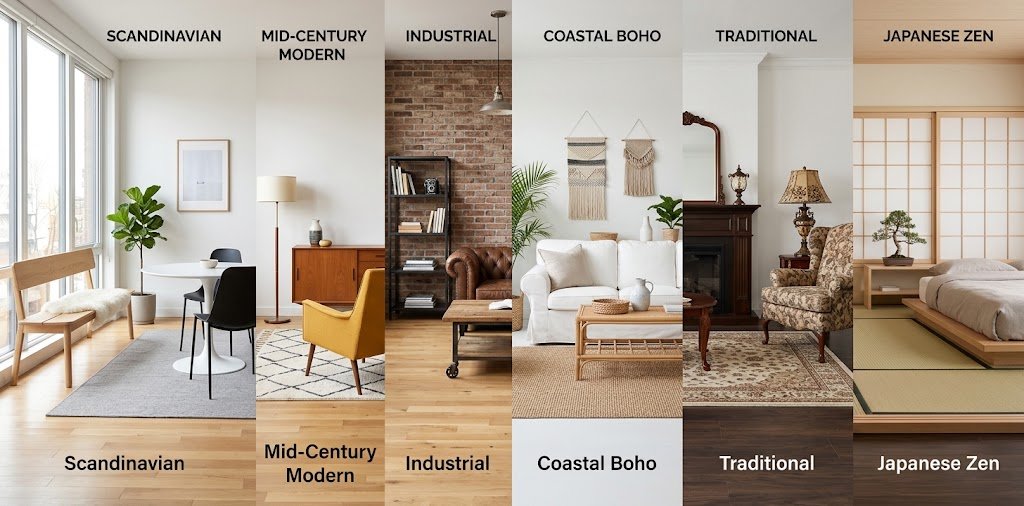
When you are decorating a home, choosing furniture and paint colors is only part of the process. The overall look becomes much easier to create when you understand what are the different types of interior design styles and how each one uses color, furniture, materials, lighting, and decorative details. Interior design styles give a room a recognizable visual direction, but they do not have to act as rigid rules. If you want to understand what interior design actually means before diving into individual styles, start with our foundational guide.
There are dozens of established styles, along with newer variations and combinations. Some are connected to particular historical periods, while others developed from regional traditions, modern lifestyles, or a mixture of several aesthetics. Modern and contemporary, for example, are often treated as the same thing even though they have different origins.
The useful approach is not to memorize every design label. Instead, learn the characteristics that make each style recognizable and then decide which elements fit your home, budget, architecture, and daily routine.
What Are Interior Design Styles and Why Do They Matter?
Interior design styles are organized visual approaches that influence how a space looks, feels, and functions. They affect decisions such as furniture shape, color palette, materials, lighting, layout, artwork, textiles, and accessories.
For example, a minimalist room might use fewer furnishings and a restrained palette, while a traditional room may rely on symmetry, detailed woodwork, classic furniture, and richer textiles.
A style is useful because it gives you a decision-making framework. Instead of buying individual pieces that look attractive on their own, you can ask whether each item supports the overall character of the room.
It also helps prevent a common decorating problem: a room filled with unrelated colors, finishes, and furniture shapes that never quite feel connected.
What Are the Different Types of Interior Design Styles?
There is no single official number of interior design styles. Different designers and publications classify styles differently, and many modern categories overlap or develop into substyles. Current design guides range from around a dozen major categories to 25, 30, or even more specialized styles.
For a homeowner, the following styles provide a practical starting point because they cover many of the most recognizable approaches.
Modern Interior Design
Modern design is associated with the Modernist movement of the 20th century rather than simply meaning whatever looks new today. It emphasizes clean lines, practical forms, open space, and limited ornamentation.
Typical materials include wood, glass, metal, and polished surfaces. Furniture tends to have straightforward silhouettes, while colors are often neutral with carefully selected accents.
The key distinction is that modern describes a design tradition with historical roots, whereas contemporary design changes with current preferences.
Contemporary Interior Design
Contemporary design reflects what is considered current rather than belonging to one fixed historical period. It can borrow ideas from modernism, minimalism, organic design, and other current influences.
Clean lines, comfortable furniture, neutral foundations, natural materials, and carefully selected statement pieces are common. Because the style evolves, a contemporary room can look different from one decade to the next.
Traditional Interior Design
Traditional interiors draw heavily from historical European design. Symmetry, classic furniture profiles, decorative moldings, detailed woodwork, layered textiles, and balanced arrangements are common characteristics.
The goal is usually a comfortable and established appearance rather than an experimental one. Quality craftsmanship and proportion are especially important when choosing traditional furniture and accessories.
Transitional Interior Design
Transitional design combines traditional character with contemporary simplicity. It is particularly useful for homeowners who appreciate classic furniture but do not want a heavily formal room.
Neutral colors, controlled patterns, a mixture of curved and straight furniture lines, and restrained accessories help create the balance. This flexibility is one reason transitional design works well across different types of homes.
Minimalist Interior Design
Minimalism follows the principle of reducing a room to what is necessary and useful. Furniture is carefully selected, decoration is limited, and visual clutter is controlled.
Neutral or monochromatic colors, simple shapes, clean surfaces, and natural light are common. Minimalism does not mean a room must feel empty; good proportions, texture, lighting, and high-quality materials can provide interest without excessive decoration.
Scandinavian Interior Design
Scandinavian design combines simplicity, function, comfort, and natural materials. Light wood, soft textiles, uncluttered layouts, and restrained colors create a bright and welcoming environment.
Unlike extremely stark minimalism, Scandinavian interiors often introduce warmth through rugs, blankets, natural textures, and comfortable furniture. This balance between practicality and coziness is one of its defining qualities.
Japandi Interior Design
Japandi combines Japanese and Scandinavian influences. It takes the simplicity and functionality of both approaches and adds a strong emphasis on natural materials, calm colors, low-profile furniture, and visual balance.
Wood, linen, ceramics, subtle textures, and uncluttered spaces work particularly well. The result is a quiet interior that feels warm rather than sterile.
Industrial Interior Design
Industrial design takes inspiration from factories, warehouses, and industrial architecture. Exposed brick, concrete, steel, weathered wood, visible structural details, and large windows can all contribute to the look.
The palette is generally restrained, and furniture often combines metal with wood. Although industrial interiors are especially natural in loft-style spaces, the concept can be adapted to ordinary homes without making the room feel like a commercial building.
Farmhouse Interior Design
Farmhouse design focuses on comfort, practicality, and a connection to rural architecture. Natural wood, simple furniture, practical finishes, and familiar textiles are common.
Modern farmhouse takes those traditional influences and gives them a cleaner, more updated appearance. This distinction matters because classic farmhouse and modern farmhouse can create noticeably different rooms.
Rustic Interior Design
Rustic interiors emphasize natural materials and visible craftsmanship. Rough or reclaimed wood, natural stone, earthy colors, and practical furnishings help create a warm, grounded atmosphere.
Compared with polished contemporary interiors, rustic design allows material imperfections and texture to remain visible. That makes it particularly effective for cabins, rural properties, and homes where natural materials are already part of the architecture.
Bohemian Interior Design
Bohemian, or Boho, design is expressive, layered, and less concerned with strict matching. Patterns, plants, textiles, vintage objects, rattan, cane, and globally inspired decorative pieces can appear together.
The challenge is maintaining visual control. A successful Boho room may contain many different elements, but repeated colors, materials, or textures help the room feel intentional rather than random.
Eclectic Interior Design
Eclectic design deliberately combines elements from different periods and styles. An antique cabinet might sit beside a modern sofa, for example, while contemporary artwork provides another visual layer.
The important difference between eclectic and simply mismatched decorating is intention. Repetition of color, scale, shape, or material gives unrelated pieces a visual relationship.
Coastal Interior Design
Coastal interiors create a relaxed atmosphere influenced by seaside environments. Light colors, natural fibers, wood, linen, woven textures, and blue or green accents are common choices.
A sophisticated coastal room does not need obvious nautical decorations. The strongest versions often communicate the feeling of the coast through light, texture, color, and relaxed furniture rather than anchors and themed accessories.
Mediterranean Interior Design
Mediterranean design draws from regions including Spain, Italy, and parts of France and emphasizes warmth, natural materials, and relaxed living.
Terracotta, stone, wood, plaster-like finishes, earthy colors, blue accents, and textured fabrics can work together. The style can range from rustic and informal to more refined interpretations.
French Country Interior Design
French country combines rustic comfort with softer decorative details. Muted colors, natural materials, antique-inspired furniture, woven textiles, traditional patterns, and decorative lighting are common.
Rather than making everything perfectly coordinated, the style benefits from a collected appearance where older and newer pieces coexist naturally.
Art Deco Interior Design
Art Deco is known for geometric forms, symmetry, strong contrasts, decorative surfaces, and a sense of luxury. Rich colors, metallic finishes, glass, mirrors, and sculptural lighting can contribute to the aesthetic.
Because Art Deco can become visually intense, using one or two defining elements can sometimes create a more sophisticated result than filling an entire room with decorative details.
Organic Modern Interior Design
Organic modern design combines contemporary simplicity with natural warmth. Light-toned woods, linen, natural fibers, curved furniture, neutral colors, and tactile surfaces are common.
This approach is useful when you want a modern room that does not feel cold. Texture becomes an important source of visual interest instead of relying heavily on bright colors or ornate decoration.
Maximalist Interior Design
Maximalism takes the opposite approach to minimalism by embracing abundant color, pattern, texture, artwork, and decorative objects.
However, effective maximalism still requires organization. Repeated colors, deliberate layering, and attention to scale prevent a highly decorated room from becoming visually chaotic. Current design guides describe maximalism as an intentional combination of colors, patterns, and textures rather than simple clutter.
How Many Different Interior Design Styles Are There?
There is no universally accepted number because interior design styles are not a fixed classification system. One source may treat Modern Farmhouse as a separate style, while another may group it under Farmhouse. Similarly, Japandi can be considered a hybrid rather than a completely independent historical style.
Some current guides cover 17 styles, others 25 or 30, while style directories can list more than 50 by including niche, regional, historical, and brand-inspired categories.
For most homeowners, learning 15–20 major styles is more useful than trying to memorize every possible label.
What Are the Different Styles for Home Decor?
Home decor styles can be grouped by the atmosphere they create rather than only by their names.
| If you prefer… | Styles worth exploring |
|---|---|
| Clean lines and less clutter | Modern, Minimalist, Scandinavian |
| Warmth and natural materials | Organic Modern, Rustic, Farmhouse |
| Classic and formal details | Traditional, French Country |
| A balanced modern-classic look | Transitional, Modern Classic |
| Color and personality | Bohemian, Eclectic, Maximalist |
| Relaxed natural spaces | Coastal, Mediterranean |
| Dramatic and luxurious rooms | Art Deco, Glam |
| Raw architectural materials | Industrial |
| Calm, quiet interiors | Japandi, Asian Zen |
These categories are not strict. A homeowner can combine compatible elements instead of following one style throughout the entire property.
How Do You Choose the Right Interior Design Style for Your Home?
Start with your existing space instead of choosing furniture first our guide to designing your living room walks through exactly this process room by room. The architecture, natural light, flooring, ceiling height, room size, and fixed finishes can all influence which styles will look convincing.
Consider How You Actually Live
A beautiful style that does not suit your routine can become frustrating. Families with children or pets may need durable upholstery and easy-clean surfaces, while someone who enjoys collecting art may prefer an eclectic or maximalist approach.
Think about maintenance as well as appearance. A highly detailed room can require more cleaning, while a minimalist room may make clutter more noticeable.
Identify the Colors and Materials You Already Like
Look at your existing floors, cabinets, doors, furniture, and architectural features. If your home already contains warm wood, for example, an organic, Scandinavian, rustic, or transitional direction may be easier to develop than forcing an unrelated palette.
Create a small material and color board before purchasing major furniture.
Consider the Room’s Size and Natural Light
Dark colors and substantial furniture can work beautifully in a large, naturally lit room but may make a small space feel heavier. Conversely, light colors, reflective surfaces, and visually lighter furniture can help a compact room feel more open.
The best style is therefore not determined by appearance alone. It should respond to the physical characteristics of the room.
Can You Mix Different Interior Design Styles?
Yes. In fact, mixing styles can make a home feel more personal. The key is to establish a visual connection between the different elements.
One practical method is to choose a dominant style and introduce a secondary influence through furniture, artwork, lighting, or accessories. For example, a transitional room could include Scandinavian-inspired furniture, or an organic modern room could use a few vintage pieces.
Keep at least one connecting element consistent, such as color, wood tone, metal finish, shape, or texture. This creates continuity even when the furniture comes from different design traditions.
Modern vs. Contemporary: What Is the Difference?
Modern and contemporary are among the most commonly confused design terms.
Modern design has a historical connection to Modernism and generally emphasizes functional forms, clean lines, and simplified decoration. Contemporary design means what is current and can change as tastes and trends evolve.
A useful way to remember the distinction is:
Modern = a defined design movement.
Contemporary = current design.
This difference becomes important when shopping for furniture or communicating your preferred look to an interior designer.
Which Interior Design Style Is Best for a Home?
There is no single best style for every home. The strongest choice is the one that balances your personal taste, the architecture of the property, practical requirements, budget, and desired atmosphere.
If you want a calm and uncluttered home, Scandinavian, Japandi, or Minimalist design may be suitable. If you prefer traditional details, Traditional or French Country may feel more natural. For a relaxed and textured environment, consider Coastal, Rustic, Farmhouse, or Organic Modern. If you want greater freedom to display personality, Eclectic, Bohemian, or Maximalist approaches may be better.
The goal is not to make your home look like a showroom. It is to create a space where the design decisions work together and support the way you live.
FAQs About Interior Design Styles
What types of interior design styles are there?
Common interior design styles include Modern, Contemporary, Traditional, Transitional, Minimalist, Scandinavian, Japandi, Industrial, Farmhouse, Rustic, Bohemian, Eclectic, Coastal, Mediterranean, French Country, Art Deco, Organic Modern, and Maximalist.
How many interior design styles are there?
There is no official number. Different sources classify major styles, substyles, regional aesthetics, historical movements, and hybrid styles differently. That is why one guide may list 17 while another lists 25, 30, or more.
What are interior design styles used for?
They provide a framework for selecting furniture, colors, materials, lighting, layouts, and accessories so that a room has a cohesive appearance and function.
Can you combine two interior design styles?
Yes. Combining styles is often an effective way to create a personalized home. Use a dominant style and introduce a secondary style through selected furniture, artwork, lighting, or accessories.
Is modern the same as contemporary interior design?
No. Modern design refers to a particular design tradition, while contemporary design refers to what is current and continues to evolve.
How do I find my interior design style?
Start by collecting rooms and furniture you genuinely like, then look for repeated patterns in colors, materials, shapes, and overall mood. Compare those characteristics with established styles before buying major pieces.
Conclusion
Understanding what are the different types of interior design styles makes home decorating much more intentional. Instead of chasing individual trends, you can identify the characteristics that suit your lifestyle and use them to guide furniture, colors, materials, lighting, and accessories.
There are many recognized styles, but you do not need to choose a label and follow it perfectly. Modern homes often combine influences from several design traditions. The most successful approach is to select a clear starting direction, adapt it to your home’s architecture and practical needs, and use repeated colors, textures, materials, or shapes to create a cohesive result. Once you understand the principles behind each style, choosing and combining them becomes far easier.

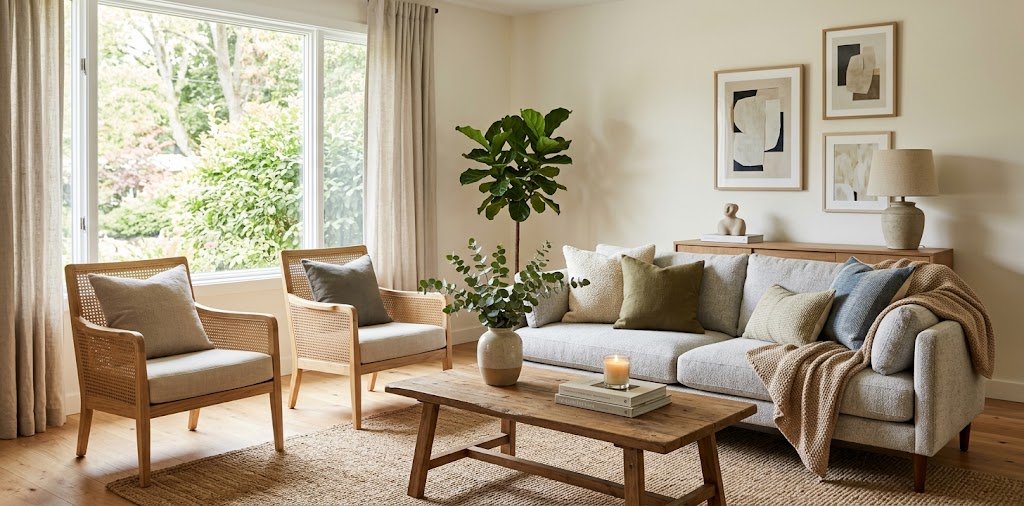
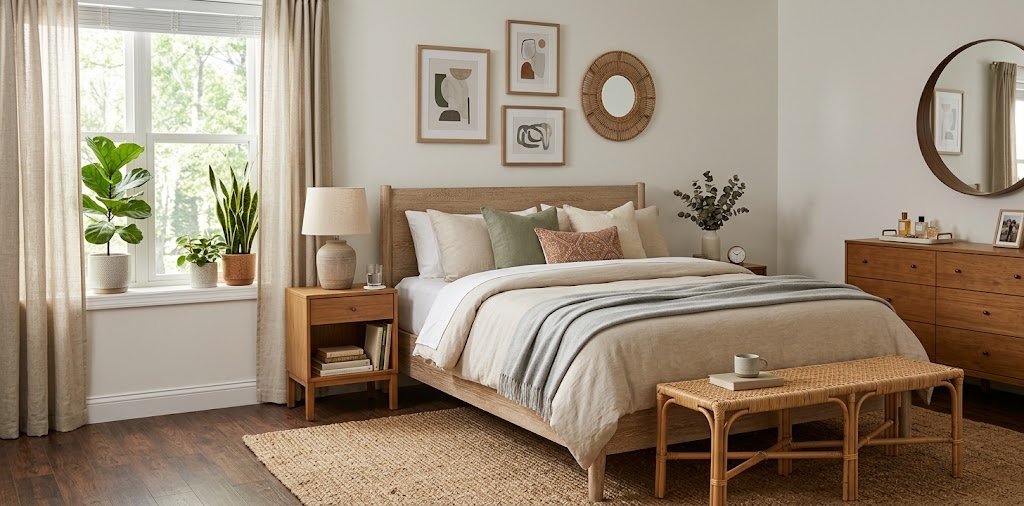
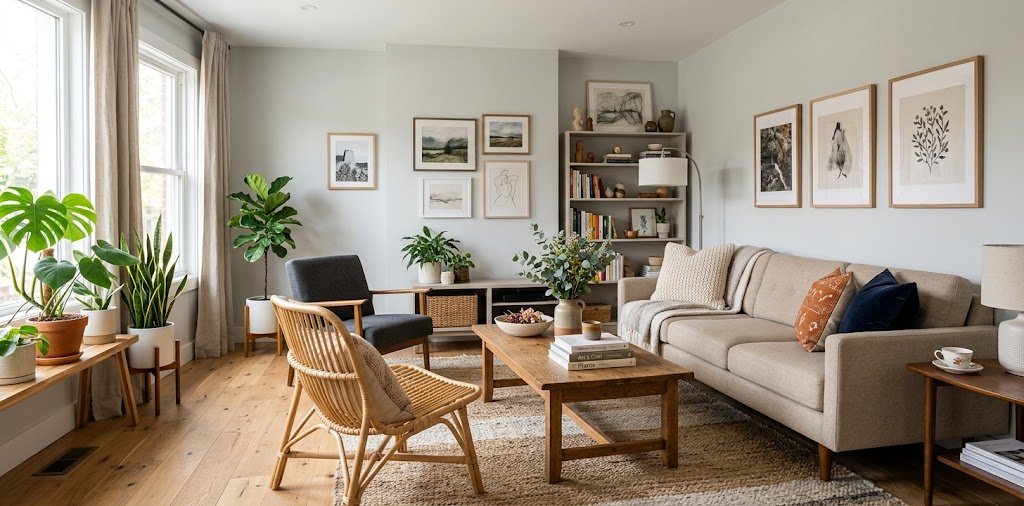
[…] work when their colors, proportions, and materials are coordinated. Explore our full breakdown of different interior design styles to find the one that fits your […]