

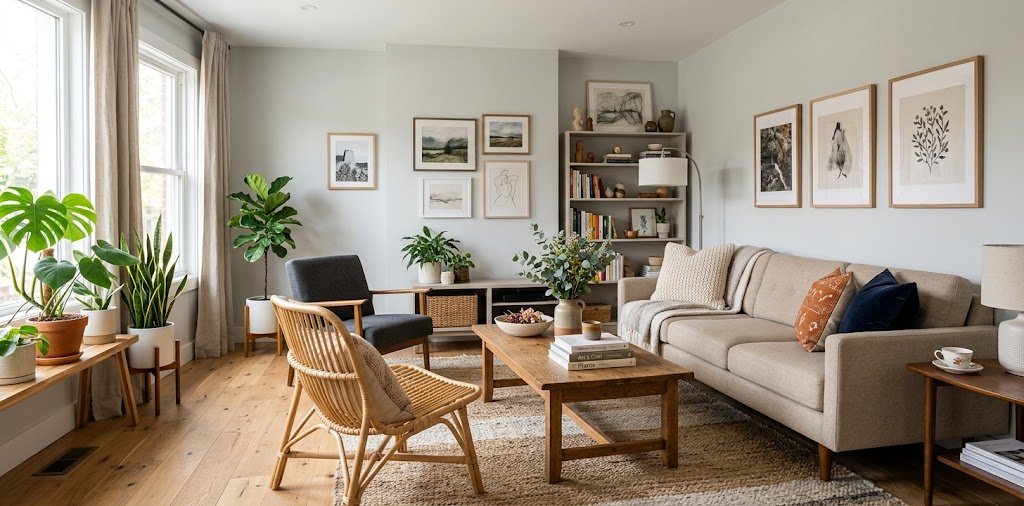
Decorating a living room feels overwhelming because there is no single right answer, only what actually fits your space, your habits, and the way you live. Endless inspiration photos can make it worse, since none of them account for your specific room or your daily routine.
The good news is that a great living room comes from a handful of decisions made in the right order. Once you understand how you use the room, the rest, from color to furniture to lighting, falls into place much more easily. Here is exactly how to work through it.
Start by Understanding How You Actually Use the Room
Before touching color swatches or furniture catalogs, get clear on what this room needs to do for your daily life. A living room built around movie nights and casual lounging looks different from one designed mainly for hosting guests.
Walk through a typical week and notice how the space actually gets used. That honest assessment will guide almost every decision you make from here on out.
Everyday Living vs. Entertaining-Focused Spaces
If your living room mostly hosts quiet evenings and family time, prioritize comfortable, low-maintenance seating over statement pieces that look better than they feel. Soft fabrics and functional layouts tend to serve daily life far better than anything too precious.
If the room leans more toward entertaining, think about conversation flow and how easily guests can move between seating areas. A slightly more formal layout with flexible seating options tends to work well here.
Accounting for Kids, Pets, and Real Life
A living room that has to survive spilled juice, muddy paws, or an enthusiastic toddler needs decisions that hold up under pressure. Durable, washable fabrics and stain-resistant rugs save a lot of frustration down the line.
This does not mean sacrificing style. Plenty of beautiful fabrics and finishes are built specifically to handle real life without looking like they were chosen purely for function.
Find Your Personal Style Before You Shop
Buying furniture and decor before knowing your style usually leads to a room that feels disjointed rather than intentional. Taking a bit of time upfront to define your taste saves money and second-guessing later.
Building a Simple Mood Board
Collect images of rooms that genuinely appeal to you, without overthinking why. After gathering ten or so, patterns usually start to emerge, whether that is a consistent color palette, a certain type of furniture, or a shared mood across the images.
This simple exercise gives you a reference point to return to whenever a decorating decision feels uncertain. It keeps the whole project cohesive instead of a collection of unrelated choices.
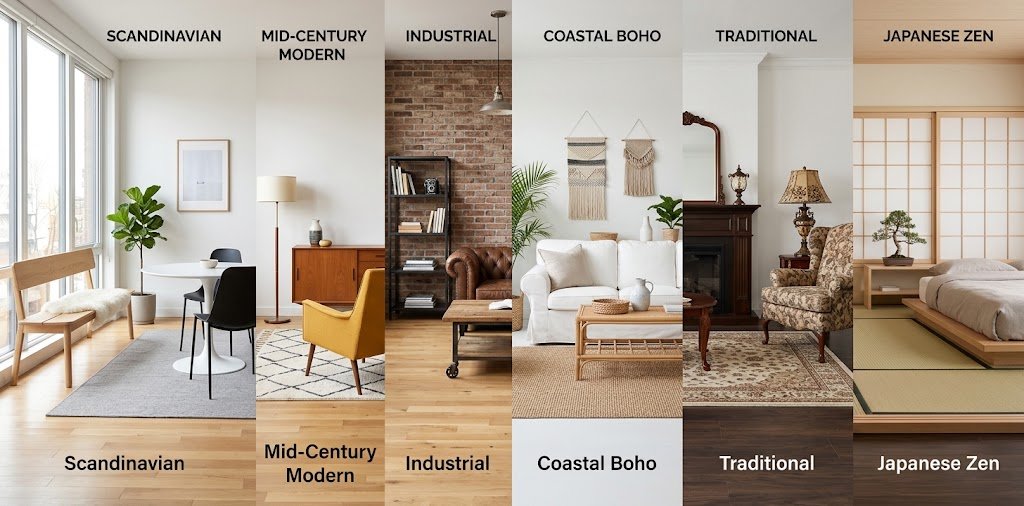
Common Style Directions to Consider
Minimalist and Scandinavian styles favor clean lines, natural materials, and a calm, uncluttered feel. Farmhouse and traditional styles bring warmth through classic shapes and richer textures.
Bohemian and eclectic styles embrace pattern, color, and a more layered, collected-over-time look. None of these are rigid rules, and most real living rooms end up blending elements from more than one direction.
Choose a Color Scheme That Works
Color sets the emotional tone for the entire room, which makes it worth settling early rather than reacting to it piece by piece as you shop.
The 60-30-10 Rule Explained
A dependable formula many designers rely on splits the room into three proportions. Sixty percent of the room reflects a dominant color, usually on walls and larger furniture, thirty percent brings in a secondary color through items like rugs or curtains, and the remaining ten percent adds accent pops through smaller decor pieces.
This structure keeps a room feeling balanced rather than chaotic, even when you are working with several colors at once. It also makes shopping decisions easier, since you already know where each new item is supposed to fit.
Picking Colors That Suit Your Lighting
The same paint color can look completely different depending on whether your room gets warm afternoon sun or stays mostly shaded. Always test paint samples on your actual wall and view them at different times of day before committing.
Rooms with limited natural light generally do better with lighter, warmer tones, while sunnier rooms have more flexibility to handle deeper, richer colors without feeling closed in.
Arrange Furniture for Flow and Comfort
A layout that actually works is what separates a room that feels intentional from one that just happens to be filled with furniture. For a deeper, measurement-by-measurement walkthrough of layout and furniture sizing, see our full guide on how to design your living room.
Common Furniture Arrangement Mistakes
Pushing every piece of furniture flush against the walls is one of the most common mistakes, and it usually makes a room feel flatter and less inviting rather than more spacious. Pulling seating slightly away from the walls and angling it toward the center often creates a far more welcoming layout.
Mismatched scale is another frequent issue, where oversized furniture overwhelms a small room or undersized pieces get lost in a large one. Measuring your space honestly before buying anything prevents most of these problems.
Creating a Conversation-Friendly Layout
Arrange seating so people can comfortably talk without raising their voices or craning their necks. A sofa paired with two chairs angled toward each other, rather than lined up in a row, naturally encourages conversation.
Leave enough walking space between pieces so the room feels open rather than like an obstacle course. As a general guide, aim for at least two to three feet of clearance in main walkways.
Get the Rug Size and Placement Right
A rug that is too small is one of the most common decorating missteps, and it makes even well-chosen furniture look disconnected and unintentional.
How to Choose the Right Rug Size
As a starting point, your rug should be wide enough that at least the front legs of your sofa and chairs rest on it. For smaller rooms, positioning furniture around the rug rather than on top of it can create a more open feel.
Leaving roughly twelve to eighteen inches of exposed floor between the rug and the walls generally looks the most balanced, regardless of room size.
Anchoring Furniture on and Around the Rug
In larger living rooms, placing every piece of seating fully on the rug creates the most cohesive, pulled-together look. In tighter spaces, the front-legs-on approach still visually connects the furniture without requiring an oversized rug.
Whichever approach fits your room, consistency matters more than any single rule. A rug that only touches the coffee table while everything else sits on bare floor is the look to avoid.
Layer Your Lighting
A single overhead light rarely does a living room justice. Layering ambient, task, and accent lighting creates depth and makes the space feel warmer once the sun goes down.
Ambient lighting covers general illumination, whether from ceiling fixtures or natural daylight. Task lighting supports specific activities like reading, usually through a floor or table lamp positioned near seating. Accent lighting highlights a particular feature, such as artwork or a bookshelf, adding a bit of drama and depth to the room.
Add Personality Without Overdoing It
Once the fundamentals are in place, personality is what makes a living room feel like yours rather than a showroom.
Textures, Patterns, and Accessories
Mixing textures, like a smooth leather chair against a woven throw, adds visual interest without relying purely on color. A good general rule is to limit yourself to no more than three patterns in one room, varying their scale so nothing competes for attention.
Accessories like baskets, trays, and throw pillows are an easy, low-commitment way to experiment before making bigger decisions.
Displaying Art and Personal Items
Family photos, artwork, and meaningful objects turn a well-decorated room into one that actually feels lived in. A gallery wall or a few thoughtfully placed pieces above the sofa gives the eye somewhere to land.
Avoid scattering too many small items across every surface, since a few well-chosen pieces tend to read as more intentional than a cluttered collection.
Decorate Without Buying New Furniture
You do not need a full furniture budget to see a real difference. Rearranging your existing pieces, especially pulling seating away from the walls, is one of the fastest ways to change how a room feels without spending anything.
Swapping cushion covers, adding a new throw, or simply decluttering surfaces can transform a tired room in an afternoon. Warm white light bulbs are another inexpensive upgrade that instantly changes the mood of a space for just a few dollars.
How True Homely Can Help You Decorate With Confidence
Figuring out where to start is often the hardest part of any decorating project, and having a clear plan makes all the difference. True Homely was created to walk homeowners through exactly that process, one practical decision at a time.
Our home and living resources cover everything from color palette guidance to layout tips suited to real rooms, not just showroom photos. Whether you are refreshing a single corner or planning a full redesign, our content is built to make the process feel manageable rather than intimidating.
FAQs
Where do I start when decorating a living room?
Begin by understanding how you actually use the room day to day, then move on to style, color, and furniture. Starting with function rather than aesthetics leads to a more livable result.
How do I choose a color scheme for my living room?
The 60-30-10 rule offers a reliable starting point, splitting the room into a dominant color, a secondary color, and smaller accent pops. Testing paint samples in your actual lighting helps confirm the final choice.
What size rug should I use in my living room?
Your rug should be large enough for at least the front legs of your main seating to rest on it. Leaving twelve to eighteen inches of exposed floor around the edges generally looks the most balanced.
How do I arrange furniture in a small living room?
Pull furniture slightly away from the walls rather than pushing everything to the perimeter, and choose pieces scaled appropriately for the room. This creates more visual openness than cramming furniture against every wall.
How can I decorate my living room without buying new furniture?
Rearranging existing pieces, swapping cushion covers, decluttering surfaces, and switching to warmer light bulbs can meaningfully change how a room feels without any major purchases.
What makes a living room look expensive?
Cohesive color choices, proper rug sizing, layered lighting, and a few well-chosen accent pieces tend to have a bigger impact on perceived quality than the price tag of individual items.
How do I add personality to my living room?
Mix in textures, limit patterns to a manageable number, and display personal items like art or family photos. A few thoughtfully placed pieces read as more intentional than filling every surface.
What are common living room decorating mistakes to avoid?
Pushing furniture entirely against the walls, choosing an undersized rug, and mismatching furniture scale to the room size are among the most frequent issues that make a space feel off.
Ready to Get Started
A living room does not need to be decorated all at once, and it does not need to look like a showroom to feel right. Work through the fundamentals in order, trust the choices that reflect how you actually live, and let personality fill in the rest over time.
The most successful living rooms are the ones that keep evolving alongside the people who use them.

[…] solutions for common layout challenges. If you’re earlier in the process and mainly wondering how should I decorate my living room, our simpler starter guide covers the fundamentals […]