
Most people who search for how to decor a master bedroom don’t lack inspiration. They lack an order of operations. Photos show a finished room, but they never show which decision came first or why the room feels calm instead of crowded. This guide fixes that. You’ll get a clear process, measurements you can use, and 80 specific ideas covering walls, color, lighting, textiles, storage and style, so you can build a room that suits how you actually live.
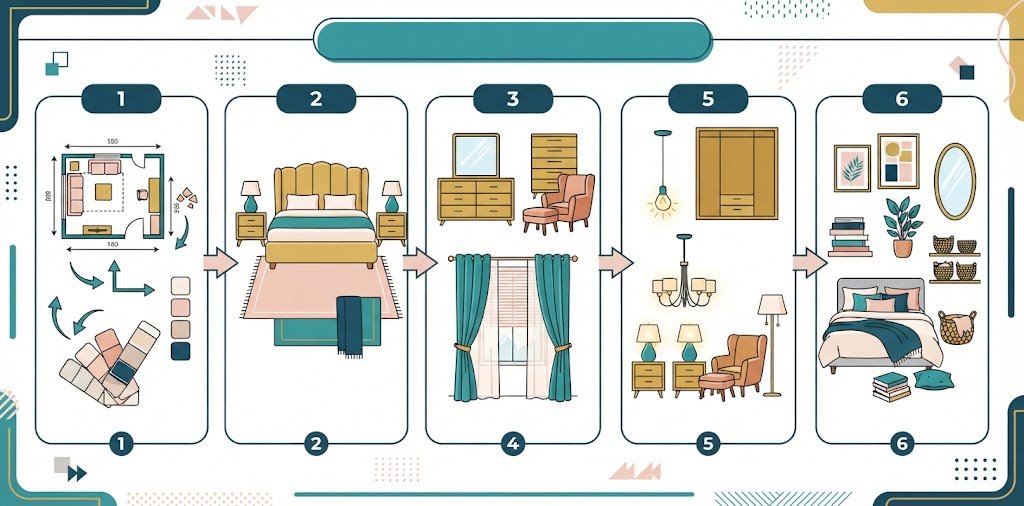
How to Decor a Master Bedroom Step by Step
A repeatable order saves money, because each decision narrows the next one.
Step 1: Measure and Fix the Layout First
Sketch the room with windows, doors, vents and outlets. Decide where the bed goes before buying anything else. Everything else orbits it.
Step 2: Choose a Palette Before You Shop
Pick one dominant color, one supporting color and one accent. A common split is 60% main color, 30% secondary and 10% accent.
Test Paint Where It Will Live
Paint large swatches on two walls and look at them in morning light and under lamps at night. A gray that looks neutral at noon can turn green or purple after dark.
Step 3: Buy the Big Pieces
Bed, mattress, nightstands and dresser come next. They set the scale for the rest of the room.
Step 4: Add Layered Lighting
Plan ambient, task and accent light together, and put the overhead fixture on a dimmer.
Step 5: Dress the Windows, Floor and Walls
Curtains, a rug and wall treatments soften the shell of the room.
Step 6: Finish With Personal Details
Art, books, plants and a few sentimental objects make it yours. Leave them for last so you edit instead of overfill.
If you are learning how to decorate a master room for the first time, follow this order even when the room is small. The same logic works if you’re trying to figure out how to decor bedroom spaces of any size.
Master Bedroom Layout and Setting Ideas
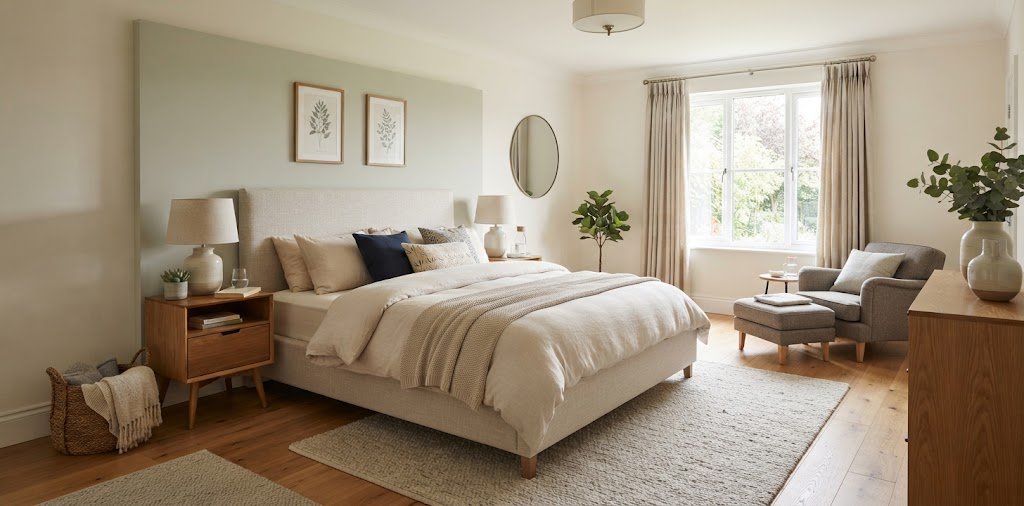
A good master bedroom setting starts with circulation. Aim for at least 24 inches of clear walkway around the bed, and 30 to 36 inches where you can spare it.
1. Center the bed on the longest solid wall. It gives the room a natural focal point and leaves space for symmetrical bedside storage.
2. Avoid placing the bed directly in line with the door. A slight offset feels more private and less exposed.
3. Keep the bed clear of vents and radiators. Direct air blowing on your head or feet is uncomfortable, and heat can damage bedding and wood.
4. Float the bed on a diagonal in a very large room. A corner angle can break up the box-like feel of an oversized space.
5. Pair nightstands of similar height, not necessarily identical. Their tops should sit within a few inches of the mattress top.
6. Use a wall-mounted shelf as a nightstand. It frees floor space in narrow rooms and keeps the bed area light.
7. Place a bench at the foot of the bed. Choose one slightly narrower than the bed so it reads as an accent, not a barrier.
8. Build a sitting corner near a window. One chair, a small table and a floor lamp turn unused space into a reading spot.
9. Add a slim desk only if the room is large. In smaller rooms, a work surface next to the bed makes it harder to switch off at night.
10. Choose a dresser that fits the wall, not the catalog picture. Leave at least 36 inches in front so drawers open fully.
How to Decorate Master Bedroom Walls
Anyone asking how to decor a master bedroom eventually ends up staring at the walls, because they cover the most visual area. Treat the wall behind the headboard as the star and keep the other walls quieter.
Wall Color and Finish
11. Paint an accent wall behind the bed. One deeper shade adds depth without shrinking the room.
12. Try color drenching. Painting walls, trim and even the ceiling in one shade creates an enveloping, hotel-suite calm.
13. Use a matte or eggshell finish. Flatter sheens hide wall imperfections and avoid glare from bedside lamps.
14. Two-tone the wall with a horizontal split. A darker lower half and lighter upper half visually anchors the room.
15. Paint a large arch behind the bed. It is a low-cost stand-in for a headboard and works well in rentals when you use removable paint stencils.
Wall Texture and Paneling
16. Install board and batten. Vertical strips add architectural interest and can be a weekend DIY project.
17. Add slim wood slats. Vertical timber slats bring warmth and also soften echo.
18. Use shiplap on the headboard wall. Horizontal lines widen a narrow room.
19. Try wainscoting to chair-rail height. It protects the lower wall and suits both classic and modern rooms.
20. Apply limewash or textured plaster paint. The cloudy finish gives depth that flat paint cannot.
21. Hang wallpaper on one wall only. Grasscloth, botanicals or subtle geometrics feel richer than a fully papered room.
22. Use peel-and-stick wallpaper if you rent. It removes cleanly and lets you test a bold pattern with little risk.
Art, Mirrors and Shelves
23. Hang art 6 to 10 inches above the headboard. It should be roughly two-thirds the width of the bed so it feels connected.
24. Build a gallery wall with a consistent frame color. Mixed images look intentional when the frames match.
25. Choose one oversized piece instead of many small ones. Large art calms a wall better than scattered frames.
26. Add a mirror opposite the window. It bounces daylight around, though some people prefer not to face it toward the bed.
27. Mount picture ledges. You can swap artwork seasonally without patching new holes.
28. Frame textiles or fabric remnants. A vintage scarf or woven panel adds texture and personality to the wall.
Anyone wondering how to make decoration room by room feel connected should repeat one wall color or material across spaces. It ties the home together.
Master Bedroom Color Ideas for a Restful Space
29. Soft greige with white trim. It is warm, forgiving and easy to layer with almost any furniture.
30. Sage or muted green. Green tones read as natural and are popular in sleep-focused rooms.
31. Dusty blue. A gray-leaning blue feels airy in daylight and cozy at night.
32. Warm white with cream bedding. Slight warmth prevents the clinical look of pure bright white.
33. Deep navy or charcoal. In a room with good light, dark walls feel intimate and make crisp bedding pop.
34. Terracotta or clay accents. Use them in cushions or one chair to add earthiness without overwhelming.
35. Blush and taupe. A soft combination that feels romantic without turning sweet.
36. Monochrome layers. Stacking tints of one color creates sophistication with very little risk.
37. Black accents in small doses. Picture frames, lamp bases and a bed frame add contrast and definition.
38. Match the ceiling to the wall or go one shade lighter. You look at the ceiling far more in a bedroom than in any other room, so treat it as a fifth wall.
Bedding, Textiles and Master Bedroom Textures
Learning how to decor a master bedroom well means learning to layer rather than simply buy more. Texture also gives a neutral room its richness, so mix matte, woven, soft and smooth surfaces.
39. Start with a quality mattress and sheets. Comfort is the whole point of the room, so this is where spending pays off.
40. Layer a duvet, coverlet and throw. Three layers look full and let you adjust for the season.
41. Use linen or cotton percale in hot climates. These fabrics breathe better than heavy sateen.
42. Add a chunky knit throw at the foot of the bed. It introduces a tactile contrast to smooth sheets.
43. Limit decorative pillows to two or three sizes. More than that creates a nightly chore.
44. Choose a headboard that adds a new material. Upholstered velvet, rattan or wood each change the mood immediately.
45. Try a canopy or four-poster frame. Height and vertical lines give the bed presence in tall rooms.
46. Add a bed skirt or tailored base. It hides storage bins and finishes the lower edge of the bed.
47. Mix pattern with scale in mind. Pair one large pattern with one small pattern and one solid.
48. Repeat one color from the art in the bedding. It quietly connects the wall and the bed.
Master Bedroom Lighting Ideas
One of the biggest gaps in guides on how to decor a master bedroom is lighting, which usually gets treated as an afterthought. Use warm bulbs around 2700K and avoid harsh white light.
49. Put the overhead fixture on a dimmer. It lets the same room work for dressing in the morning and winding down at night.
50. Size a chandelier by adding room length and width in feet. The total is a starting diameter in inches, so a 12 by 14 foot room suits around 26 inches.
51. Install plug-in sconces beside the bed. They save nightstand space and avoid rewiring.
52. Hang sconces so the shade bottom sits near chin height when you sit up in bed. This keeps the glare out of your eyes while reading.
53. Use pendant lights over nightstands. They add drama and keep surfaces clear, especially in rooms with high ceilings.
54. Add a floor lamp to the sitting corner. It offers soft, indirect light that flatters the room at night.
55. Add LED strips behind the headboard. A gentle glow works as a night light without waking anyone.
56. Choose lamps with fabric shades. They diffuse light better than exposed glass or metal.
Windows, Floors and Ceilings
57. Hang curtains high and wide. Mount the rod close to the ceiling and extend it several inches past the frame so the window looks larger.
58. Add blackout lining. It improves sleep quality and helps in rooms that face bright streets or early sun.
59. Layer sheers with heavier drapes. You get privacy by day and full darkness at night.
60. Choose woven shades for a natural, textural look. They pair well with wood and rattan furniture.
61. Pick a rug large enough to sit under the bed. Use the sizing table below as your guide.
62. Warm up a tile or hardwood floor with a runner on each side of the bed. It gives your feet something soft to step onto.
63. Try a wood or plank ceiling. It adds warmth and shifts attention upward in a plain room.
64. Add crown molding or a ceiling medallion. Both give a traditional room a finished feel.
| Bed Size | Suggested Rug | Placement Tip |
|---|---|---|
| Full | 6 x 9 ft | Extend at least 18 in past each side |
| Queen | 8 x 10 ft | Leave about 24 in visible on three sides |
| King | 9 x 12 ft | Or 8 x 10 ft placed under the lower two-thirds |
| California King | 9 x 12 ft | Keep nightstands off the rug edge |
Storage, Personal Touches and Practical Extras
65. Use under-bed drawers. They are ideal for off-season bedding and shoes.
66. Add a tall, narrow wardrobe. It uses height instead of floor area.
67. Organize the walk-in closet like a boutique. Matching hangers and clear zones make the room feel calmer.
68. Put a hamper in a cabinet or a lidded basket. It keeps daily clutter out of sight.
69. Add a small charging station in a drawer. Cables stay hidden and phones stay out of arm’s reach at night.
70. Display one or two personal items per surface. A framed photo or handmade bowl tells your story without crowding the room.
71. Bring in low-light plants. Snake plants and pothos tolerate dim corners, though both can be toxic to pets.
72. Add a natural scent. A diffuser or linen spray with lavender or cedar signals bedtime.
Master Bedroom Style Ideas
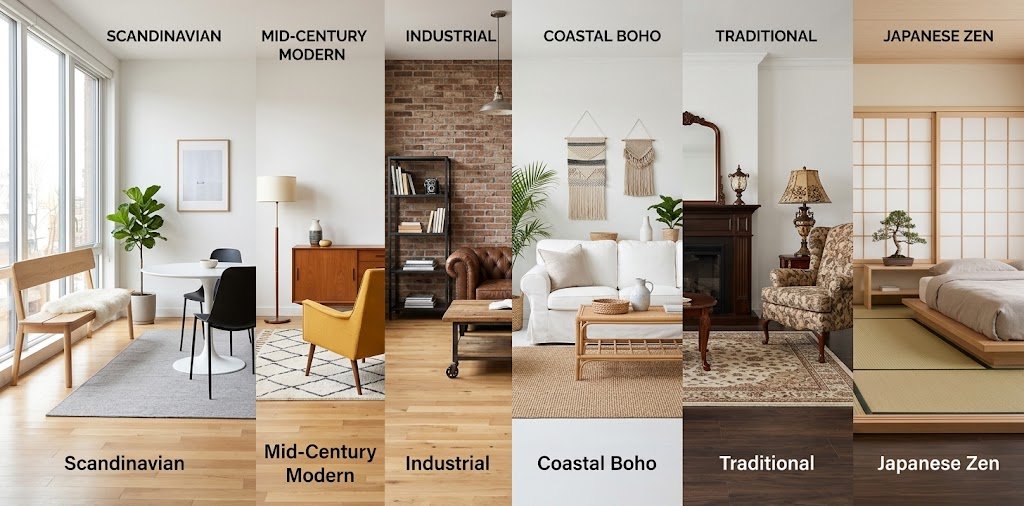
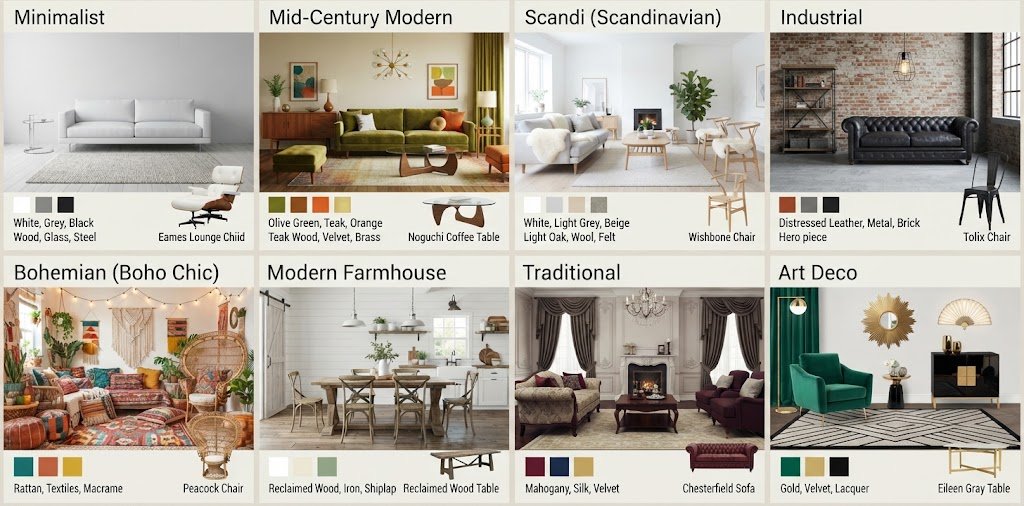
Once the basics are in place, how to decor a master bedroom in a specific style comes down to a short list of materials and shapes.
73. Japandi: light oak, low-profile furniture and quiet earth tones.
74. Scandinavian: white walls, pale wood and cozy wool layers.
75. Modern farmhouse: shiplap or board and batten, black hardware and linen bedding.
76. Coastal: soft blues, whitewashed wood and light, breezy curtains.
77. Boho: rattan, macramé, layered rugs and warm patterned textiles.
78. Mid-century modern: tapered legs, walnut tones and a sculptural lamp.
79. Classic traditional: a tufted headboard, symmetrical lamps and framed botanical prints.
80. Boutique hotel: a padded headboard, wall sconces, crisp white bedding and a tray with a carafe.
Small Master Bedroom Ideas
How to decor a master bedroom that is small starts with restraint. Choose a bed with storage below, keep colors within one family, and use wall-mounted lights and shelves to save floor space. A large mirror and floor-length curtains can stretch the room’s perceived size. For a renter, peel-and-stick wallpaper, plug-in sconces and a large rug do most of the work without touching the structure.
How to Decor a Master Bedroom on a Budget
You do not need to redo everything at once. Spend on what affects sleep and daily use, then save on things you’ll want to change later. This split matches the priorities most designers use.
| Item | Spend or Save | Why |
|---|---|---|
| Mattress and sheets | Spend | They affect sleep quality every night |
| Window treatments | Spend where you can | Light control and privacy matter daily |
| Rug | Save | Good mid-range options look identical from a distance |
| Nightstands and lamps | Save | Easy to swap and restyle later |
| Art and accessories | Save | Trends and taste change quickly |
| Paint | Save | Cheap, high-impact and easy to redo |
Paint, secondhand furniture, thrifted frames and DIY paneling deliver the largest visual change per dollar.
Common Mistakes When You Decorate a Master Bedroom
The mistakes below are the ones that most often undo a good plan for how to decor a master bedroom.
- Buying a rug that is too small. It leaves the bed floating on bare floor.
- Relying on one overhead light. It flattens the room and feels harsh at night.
- Matching every furniture piece from one set. The result looks catalog-flat instead of collected.
- Overfilling the room. A cozy room can still have clear surfaces and open walking space.
- Hanging art too high. Pieces should relate to the furniture below them, not float near the ceiling.
- Ignoring the TV plan. If you add a TV, keep it off the main focal wall or mount it with hidden cables.
Frequently Asked Questions
What is the first step in how to decor a master bedroom?
Fix the layout and choose your color palette before buying anything. Measure the room, place the bed on the strongest wall, and decide on two or three colors. That prevents mismatched purchases later.
How do I decorate master bedroom walls without making the room feel smaller?
Use lighter shades, one accent wall behind the bed, and large art rather than many small frames. Vertical elements such as slats or board and batten also make ceilings feel taller.
What colors are best for a master bedroom?
Soft greens, dusty blues, warm whites and greige are the most restful. Deeper shades like navy also work if the room gets good natural light. Test samples in both daytime and lamp light before committing.
How high should I hang art above the bed?
Place it 6 to 10 inches above the headboard, and choose a piece or grouping about two-thirds the width of the bed.
Is it okay to put a TV in the master bedroom?
Yes, if you plan for it. Keep it off the main focal wall, hide cables, and consider a frame-style TV that looks like art when off.
How can I decorate a master bedroom if I rent?
Use peel-and-stick wallpaper, removable hooks, plug-in sconces, large rugs and textiles. These change the look without damaging walls.
Conclusion
Knowing how to decor a master bedroom comes down to a clear order and a few disciplined choices. Settle the layout, commit to a palette, layer your lighting, and let textiles and walls carry the character. Start with the ideas that improve comfort, then add personal details slowly so the room stays calm. Pick five or six ideas from the list above, apply them in the order shown, and you’ll have a master bedroom that looks intentional and feels like your own retreat.