


Interior design is often mistaken for simply picking out pretty furniture and paint colors. In reality, it is a much deeper process that shapes how a space works, how it feels to spend time in, and how well it supports the people living in it.
Understanding what interior design actually involves makes a real difference once you start planning a home project of your own. This guide breaks down the meaning, the elements, the principles, and the styles that make up the field, so you know exactly what you are working with before you begin.
The Meaning of Interior Design
At its core, interior design is the practice of planning and shaping the interior of a space so it functions well and feels right for the people using it. It goes beyond decoration, touching on layout, flow, lighting, and how different areas of a home connect to one another.
A well-designed space considers how people actually move through it and use it every day. That might mean rethinking a kitchen layout for better workflow or planning natural light into a room that previously felt dark and closed off.
How Interior Design Differs From Interior Decoration
Interior design and interior decoration often get used interchangeably, but they are not the same thing. Design deals with the structure and function of a space, including layout, spatial planning, and sometimes even working with architects on layout changes.
Decoration comes in after those foundational decisions are made. It focuses on the visual layer, choosing furniture, color palettes, and accessories that bring a space to life once the underlying structure already works.
A simple way to think about it is that designers may decorate, but decorators do not design. If your space feels awkward or fails to support how you actually live, that points to a design issue rather than a decorating one.
What an Interior Designer Actually Does
An interior designer studies how a space will be used before making any decisions about its look. This includes assessing traffic flow, natural light, storage needs, and the practical requirements of everyone who will spend time there.
From there, designers create floor plans, select materials, and coordinate everything from lighting to furniture placement so the finished space feels cohesive rather than assembled piece by piece. Many also work directly with contractors when structural changes are involved.
The Core Elements of Interior Design
Every space, whether it feels polished or chaotic, is built from the same handful of foundational elements. Understanding these gives you a clearer eye for what makes a room work.
Space, Line, and Form
Space is the physical area you are working with, and using it well means balancing what is filled against what is left open. A room packed with furniture rarely feels as comfortable as one with room to breathe.
Line refers to the outlines and edges within a space, whether that is the frame of a window or the silhouette of a sofa. Form is closely related, describing the actual three-dimensional shapes of furniture and architectural features that give a room its structure.
Color, Light, Texture, and Pattern
Color sets the emotional tone of a space more than almost any other element. Warm tones tend to feel cozy and energetic, while cooler tones create a calmer, more spacious feeling.
Light interacts with everything else in the room, changing how colors and textures actually read to the eye. A well-lit space with the wrong color palette can feel just as off as a beautifully colored room with poor lighting.
Texture and pattern round things out by adding depth. Mixing smooth and rough surfaces, or layering a few complementary patterns, keeps a space from feeling flat or one-dimensional.
The Principles That Guide Good Design
Elements are the raw materials of a space, but principles are what determine whether those materials come together successfully. This is where a room moves from looking assembled to looking intentional.
Balance, Proportion, and Rhythm
Balance is about distributing visual weight evenly across a room, whether that is done symmetrically or through a looser, more organic arrangement. A space that feels heavier on one side than the other tends to feel unsettled without anyone quite knowing why.
Proportion considers how objects relate to each other in scale, making sure a piece of furniture fits comfortably within the room rather than overwhelming or getting lost in it. Rhythm ties everything together through repetition, using consistent colors, shapes, or textures throughout a space to create a sense of flow.
Emphasis and Harmony
Every well-designed room needs a focal point, something the eye is naturally drawn to first. This might be a fireplace, a piece of art, or a statement light fixture that anchors the rest of the layout.
Harmony is the overall result of getting the other principles right. When balance, proportion, rhythm, and emphasis all work together, a space feels cohesive rather than like a collection of unrelated choices.
Why Interior Design Matters
Good design affects daily life in ways that are easy to underestimate. A well-planned kitchen makes cooking less frustrating, and a thoughtfully arranged living room can genuinely improve how relaxed you feel after a long day see our guide on how to design your living room for a full room-by-room plan.
Beyond comfort, design decisions also carry practical weight. Homes with a cohesive, functional layout tend to hold their value better and appeal more broadly if you ever decide to sell.
Popular Interior Design Styles
Styles give shape to personal taste, offering a starting framework rather than a rigid set of rules. For a full breakdown of each look, see our guide to the different types of interior design styles.
Minimalist, Scandinavian, and Modern
Minimalist design strips a space down to the essentials, favoring clean lines and a restrained color palette. Scandinavian style shares that simplicity but adds warmth through natural materials and cozy textiles, often associated with the idea of hygge.
Modern design tends to favor sleek surfaces, neutral tones, and functional furniture without much ornamentation. All three styles share a preference for uncluttered spaces, though each brings a slightly different mood.
Farmhouse, Bohemian, and Traditional
Farmhouse style combines rustic materials like wood and stone with a lighter, more approachable palette than classic country decor. It works particularly well in homes that want warmth without feeling overly formal.
Bohemian design leans into color, pattern, and global influences, creating a layered look that feels personal and collected over time rather than curated all at once. Traditional style, by contrast, draws from classic furniture shapes and richer color palettes, offering a timeless feel that rarely goes out of fashion.
Do You Need a Designer, or Can You DIY?
If your space already functions well but simply feels outdated, refreshing the decor yourself is often enough. New paint, updated furniture, and a few well-chosen accessories can transform a room without touching its underlying structure.
If your layout feels cramped, awkward, or genuinely fails to support how you live day to day, that is usually a sign the issue runs deeper than decor. In those cases, bringing in a designer who can rework the space itself tends to produce a far more lasting result.
How True Homely Helps You Design Your Space
Understanding the theory behind interior design is a great starting point, but putting it into practice in your own home is where things get real. True Homely was built to bridge exactly that gap, turning design concepts into guidance you can actually use.
Our home and living resources walk through practical layout ideas, color and lighting tips, and style inspiration suited to real homes rather than showroom spaces. Whether you are planning a full redesign or simply refreshing a single room, our content is meant to make the process feel approachable rather than overwhelming.
FAQs
What is the definition of interior design?
Interior design is the practice of planning and shaping the interior of a space so it functions well and reflects the needs of the people using it, covering layout, materials, lighting, and overall flow.
What is the difference between interior design and interior decoration?
Design deals with the structural and functional side of a space, including layout and spatial planning, while decoration focuses on the visual layer added once those foundational decisions are already in place.
What are the elements of interior design?
The core elements are space, line, form, color, light, texture, and pattern. Together they form the building blocks that every interior is constructed from.
What are the principles of interior design?
The main principles are balance, proportion, rhythm, emphasis, and harmony. These principles determine how the elements come together into a cohesive, intentional space.
What does an interior designer actually do?
An interior designer studies how a space will be used, then plans layouts, selects materials, and coordinates lighting and furnishings so the finished result is both functional and visually cohesive.
Is interior design a good career?
Interior design offers steady demand across residential and commercial projects, along with the appeal of creative, hands-on work. Like most creative fields, success often depends on building a strong portfolio and client network.
How do I start designing my own home?
Begin by identifying how you actually use each space, then work through layout and function before moving on to color, furniture, and decor. Addressing structure first tends to produce better long-term results.
What are the different types of interior design styles?
Common styles include minimalist, Scandinavian, modern, farmhouse, bohemian, and traditional, each offering a distinct mood and set of defining characteristics.
Bringing It All Together
Interior design is ultimately about making a space work as well as it looks. Understanding the elements and principles behind it gives you a clearer sense of what to prioritize, whether you are refreshing one room or planning an entire home.
Start with function, let style follow, and the rest tends to fall into place.

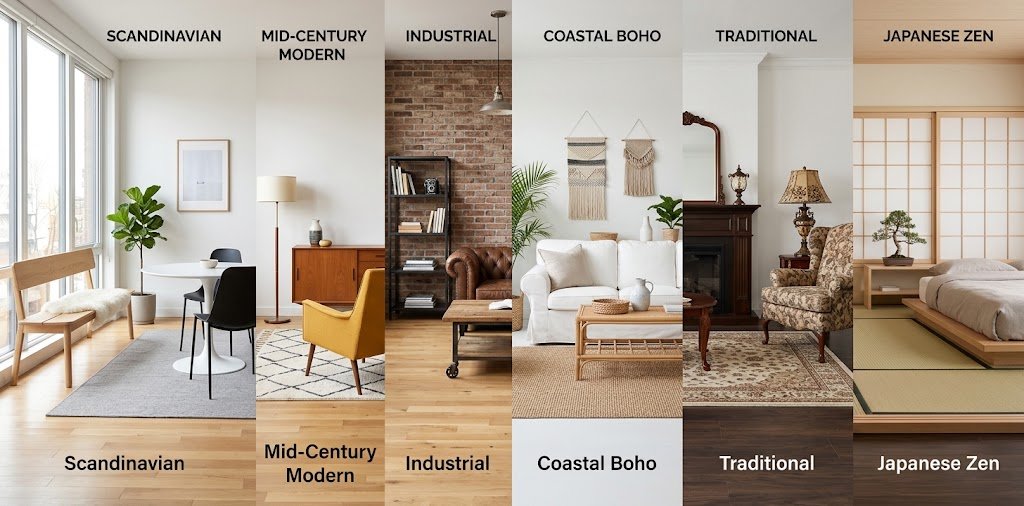
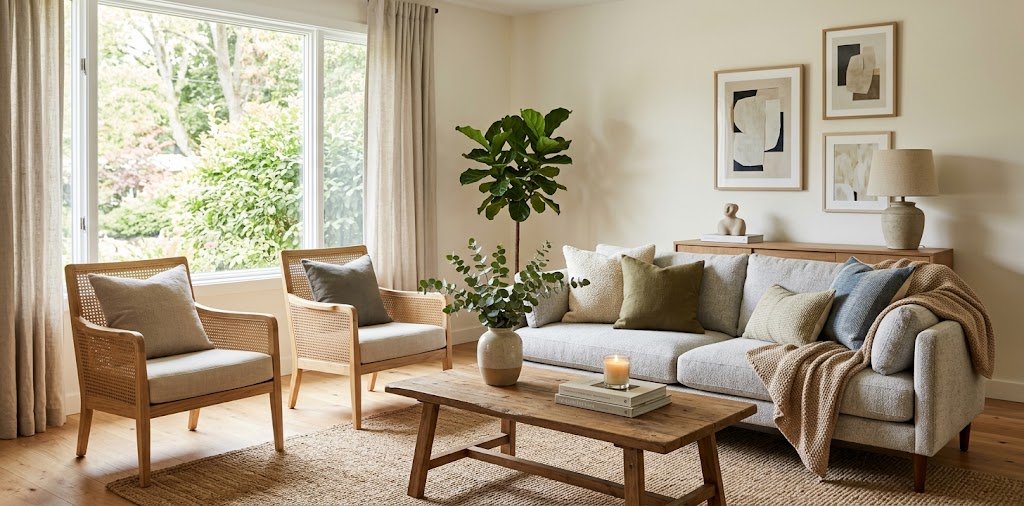
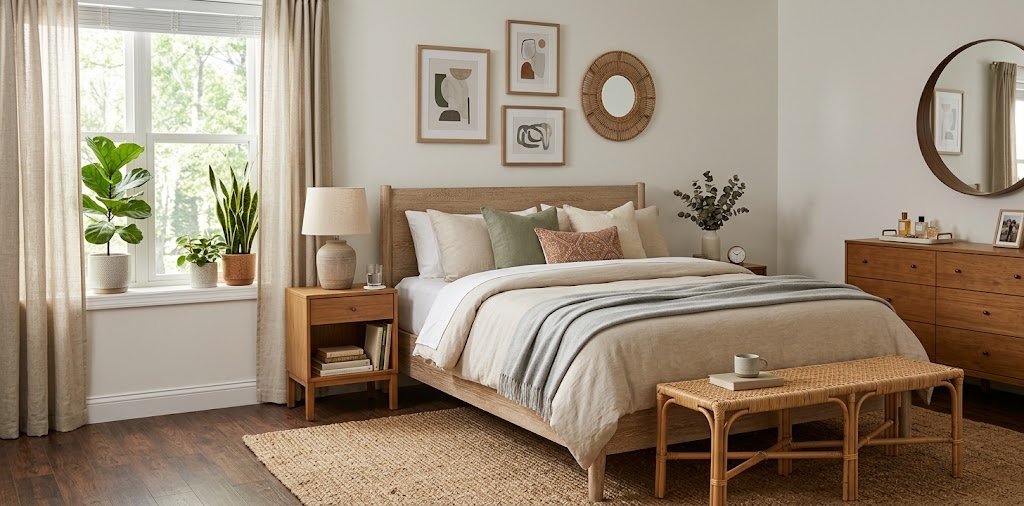
[…] visual direction, but they do not have to act as rigid rules. If you want to understand what interior design actually means before diving into individual styles, start with our foundational […]